

Synthetic Webbing Sling
For demanding lifting, towing, and load securement tasks, a reliable and durable lifting sling is non-negotiable. That's where synthetic webbing slings excel, offering a superior combination of strength, versatility, and safety for a wide array of industrial applications. As a core component of modern material handling, these slings are engineered from high-tenacity synthetic fibers like polyester or nylon, providing exceptional tensile strength while remaining lightweight and easy to handle. Unlike traditional wire rope or chain, synthetic webbing is gentle on delicate surfaces, preventing damage to expensive machinery, polished finishes, or painted loads. Their flexibility allows them to conform to the shape of the load, ensuring a secure and stable grip.
Within the category of synthetic slings, several specialized designs cater to specific needs. For instance, a Flat Ribbon Sling is ideal for providing maximum surface contact with flat or wide loads, distributing pressure evenly. When you need increased flexibility and a better grip on cylindrical or irregular shapes, a Round Webbing Sling is often the preferred choice. For applications requiring a permanent, heavy-duty connection point, a Webbing Sling with Metal End Fitting offers robust, integrated terminals like hooks, shackles, or eyes for direct attachment. The choice between these types depends on your specific load configuration, environmental conditions, and required safety factors.
A high-quality Synthetic Webbing Sling is defined by its precise engineering and adherence to rigorous standards. Key parameters must be clearly understood and verified to ensure safe working loads (WLL) are never exceeded. The core specifications typically include the material type, webbing width and thickness, rated capacity across different hitch configurations (vertical, choker, basket), and overall length. The color coding of the webbing often corresponds to its load capacity, providing an immediate visual indicator. Furthermore, compliance with international standards such as ASME B30.9 or equivalent is crucial for operational safety and liability.
To professionally detail the capabilities of a Synthetic Webbing Sling, we present the following specifications in a clear, tabular format. This table outlines critical data points for a standard polyester webbing sling series. Always consult the manufacturer's data sheet for the exact specifications of your specific model.
- Material: High-Tenacity Polyester
- Elongation at WLL: Approx. 3%
- Temperature Range: -40°C to 100°C (-40°F to 212°F)
- Resistance: Excellent resistance to abrasion, UV rays, and most chemicals.
- Standards: Manufactured in compliance with ASME B30.9, EN 1492-1.
- Identification: Permanently affixed, color-coded label with WLL, serial number, and manufacturer details.
| Webbing Width (in/mm) | Thickness (mm) | Vertical Hitch WLL (lbs/kg) | Choker Hitch WLL (lbs/kg) | Basket Hitch WLL (lbs/kg) | Standard Lengths (ft/m) |
|---|---|---|---|---|---|
| 2 in / 50 mm | 3.0 | 2,600 lbs / 1,180 kg | 1,950 lbs / 885 kg | 5,200 lbs / 2,360 kg | 5-30 ft / 1.5-9 m |
| 3 in / 75 mm | 3.5 | 5,400 lbs / 2,450 kg | 4,050 lbs / 1,835 kg | 10,800 lbs / 4,900 kg | 5-30 ft / 1.5-9 m |
| 4 in / 100 mm | 4.0 | 9,600 lbs / 4,355 kg | 7,200 lbs / 3,265 kg | 19,200 lbs / 8,710 kg | 5-30 ft / 1.5-9 m |
| 6 in / 150 mm | 5.0 | 14,400 lbs / 6,535 kg | 10,800 lbs / 4,900 kg | 28,800 lbs / 13,070 kg | 5-30 ft / 1.5-9 m |
Proper inspection before each use is mandatory. Look for signs of cuts, abrasions, chemical damage, heat fusion, broken stitches, or worn fittings. A Synthetic Webbing Sling must be removed from service immediately if any such damage is found. Correct storage away from direct sunlight, moisture, and corrosive agents will significantly extend its service life. Always follow the manufacturer's instructions for cleaning and maintenance to preserve the integrity of the webbing fibers.
Related Products
Hot Products
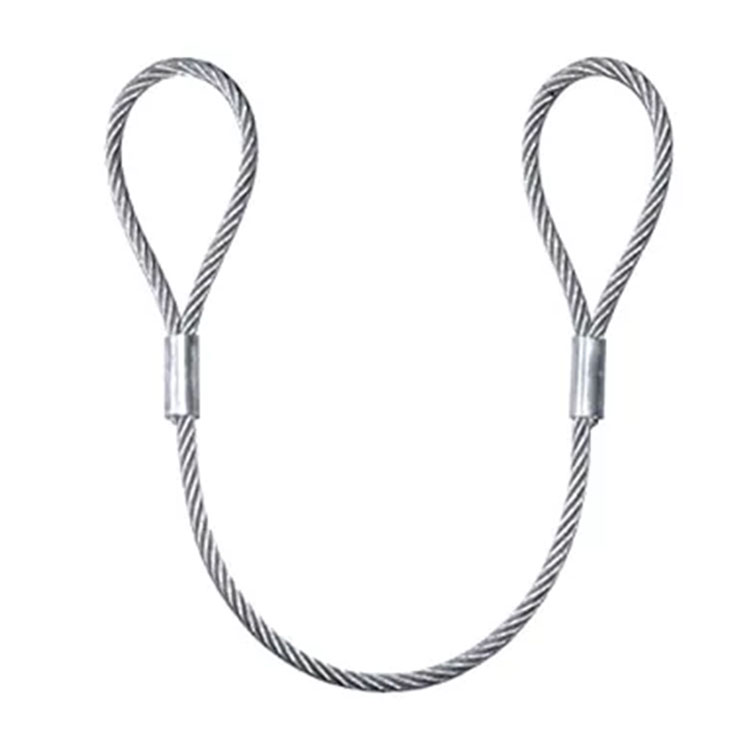
Wire Rope Sling
Hebei Shengyu Hoisting Machinery Manufacturing Co., Ltd as a steel wire rope producer is famous. Our customized wire rope slings are flexible lifting slings made by twisting multiple high-strength steel wires in Shengyu factory. Belonging to the semi-rigid sling category. It combines the high strength of metal with a certain degree of flexibility, making it one of the most widely used types of slings in industrial lifting operations.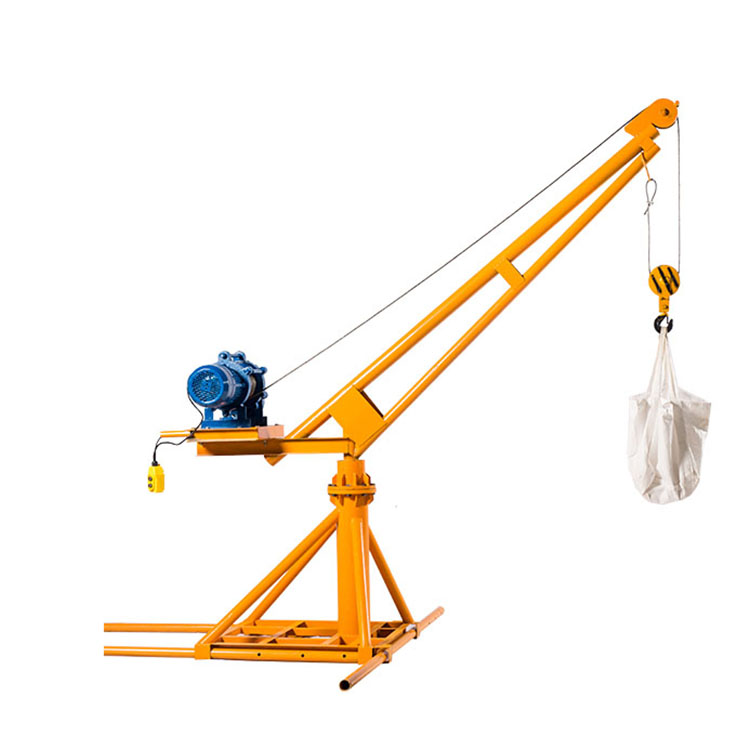
1000 kg Simple Crane
The 1000 kg simple crane is suitable for various environments such as high-rise hoisting and material handling at construction sites. China professional supplier Hebei Shengyu Lifting Equipment has developed a variety of crane models. Each crane uses seamless steel pipes, which are thickened and reinforced to ensure stable load-bearing capacity and improve safety.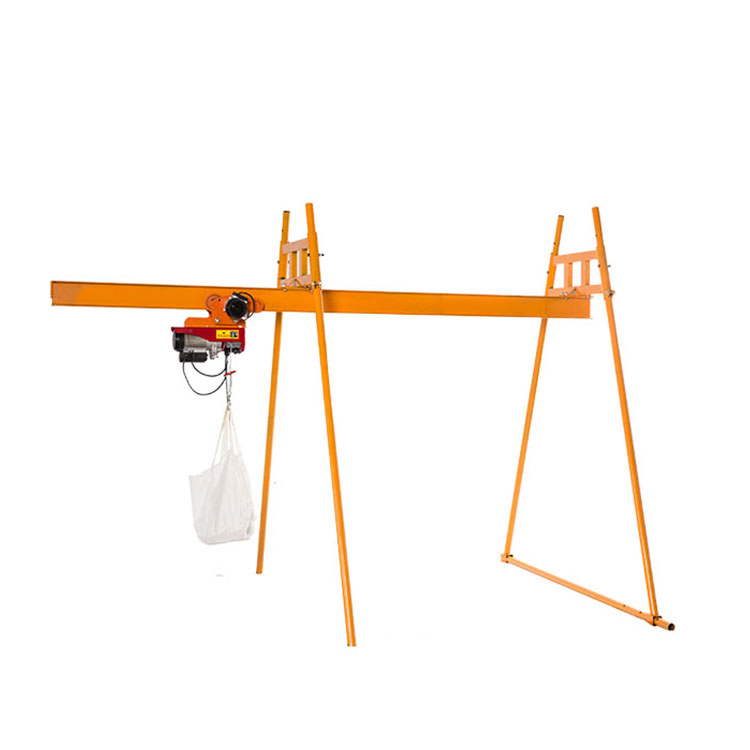
Outdoor Four Column Straight Sliding Crane
The Outdoor four column straight sliding crane by China supplier Shengyu currently comes in two models: 500 kg and 1000 kg. The 1000 kg model is a custom-made product and will only be produced when there is customer demand. Hebei Shengyu Lifting Equipment's I-beam crane uses thickened pipes, and the track can extend 1.5 meters outward from the window. Goods enter the room along the track, making operation simple and improving safety.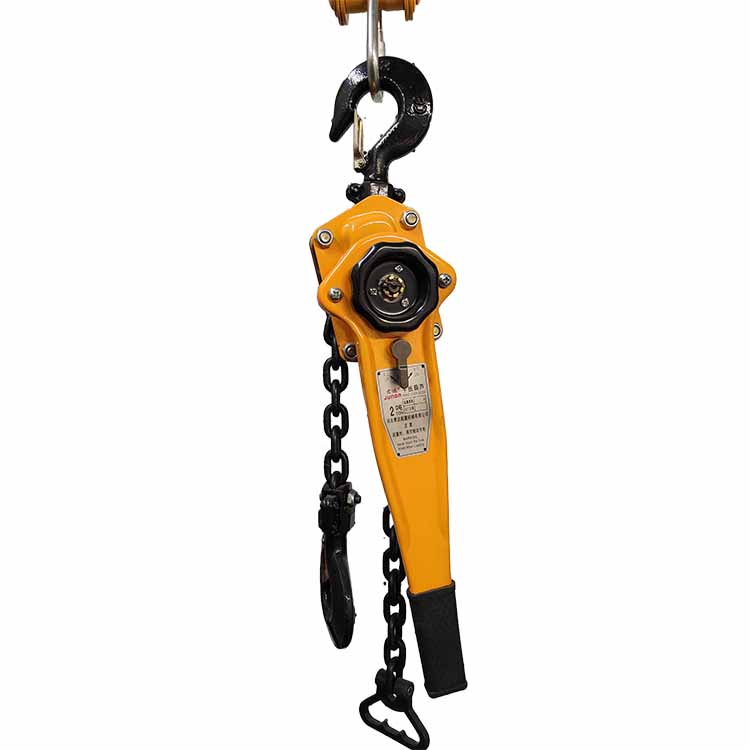
2Tons Lever Hoist
Hebei Shengyu factory produced HSH 2Tons lever hoist have good quality, it is Main Components: The outer shell for the main protective structure, the manually operated wrench, the core lifting components gears and chains, the hand-operated chain that drives the lifting chain and the core safety device braking mechanism, the upper and lower hooks, and a gear transmission system.As a super lifting equipment producer, Shengyu’s HSH 2Tons lever hoist already sell all the world due to it’s best quality and services.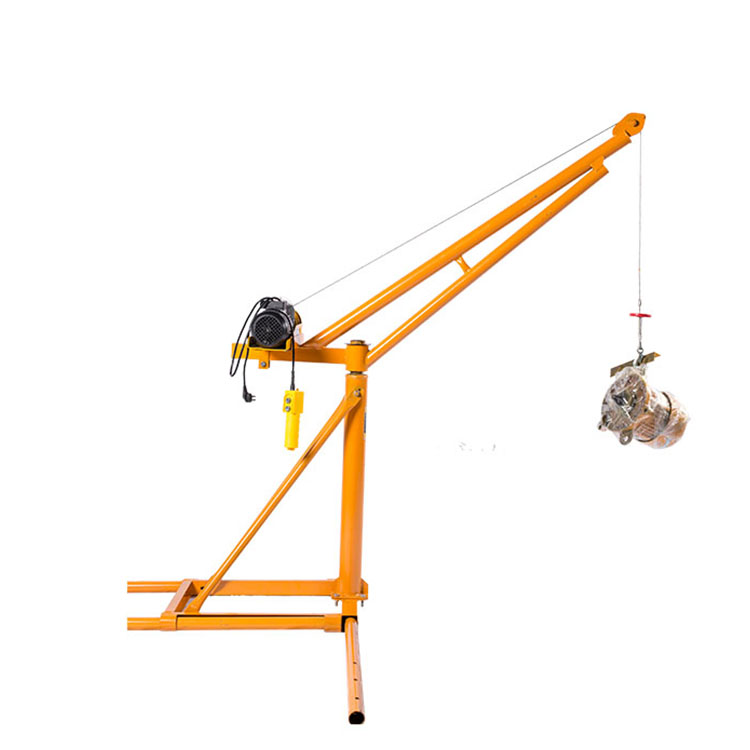
300 kg Building Crane
The 300 kg building crane belongs to the outdoor crane series. This model is suitable for rooftop hoisting, rural household grain hoisting, indoor and outdoor goods hoisting, etc. It can lift loads up to 300kg, and the boom rotates 360 degrees. It can be equipped with a mini electric hoist for electric lifting. The voltage is 220V. Hebei Shengyu Lifting Machinery Factory can customize various plugs. It is simple and convenient to operate, solves hoisting difficulties, and improves work efficiency.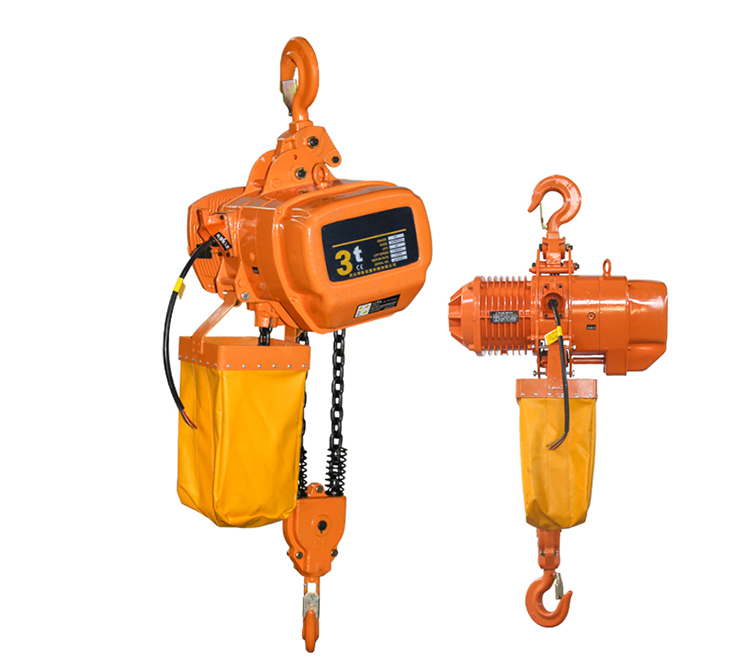
HHBB Electric Chain Hoist
China supplier Hebei Shengyu HHBB electric chain hoist is a lightweight, Japanese-style industrial-grade electric chain hoist. It is primarily powered by a three-phase brake motor, which drives a hardened gear reducer to power a high-strength alloy steel lifting chain, causing it to circulate and achieve vertical lifting of heavy objects. It is typically equipped with a trolley that moves horizontally along an I-beam, thus enabling the lifting, lowering, and transport of heavy loads. Standard lifting capacities range from 0.5T to 10T, and lifting heights can be customized from 3 to 120m. It is generally available in fixed, mobile, and low-headroom installation configurations.
- Related Blog
- Reviews
