

Webbing Sling with Metal End Fitting
When it comes to demanding lifting and rigging applications, the choice of sling is paramount for both safety and efficiency. For tasks requiring a secure, adaptable, and non-marring lifting solution, a Webbing Sling with Metal End Fittings is often the ideal choice. This robust assembly combines the flexibility and strength of high-performance synthetic webbing with the reliable connection point of durable metal hardware. Unlike chains or wire ropes, these slings are lightweight, easy to handle, and protect delicate or finished surfaces from scratches and damage. They are indispensable across industries like construction, manufacturing, logistics, and shipping.
Depending on the lift's specific requirements, different webbing configurations may be selected. For broad, stable support under wide or fragile loads, a Flat Ribbon Sling is excellent. When you need a sling that can easily conform to the shape of the load and provide a high degree of flexibility, a Round Webbing Sling is the preferred option. Collectively, these are part of the broader category of Synthetic Webbing Slings, known for their excellent strength-to-weight ratio and resistance to many chemicals and environmental factors. The integration of metal end fittings, such as hooks, shackles, or eyes, provides a secure and standardized connection to lifting equipment, ensuring a safe and controlled lift every time.
The core of a <产品名字> is its engineered synthetic webbing, typically made from high-tenacity polyester or nylon. These materials are chosen for their exceptional tensile strength, durability, and resistance to abrasion, ultraviolet (UV) light, and mildew. The webbing is woven in a precise pattern to maximize load-bearing capacity. Each <产品名字> undergoes rigorous manufacturing processes, including precise stitching with high-strength bonded polyester thread and the careful installation of metal end fittings. These fittings are securely attached via methods like pressed sleeves or spliced loops, creating a permanent and reliable termination point. The design ensures that the strength of the webbing is efficiently transferred to the fitting without creating weak points.
Selecting the correct <产品名字> requires careful consideration of several technical parameters to match the sling to the job's Working Load Limit (WLL) and environmental conditions.
Key Specifications of Webbing Slings with Metal End Fittings:
- Material: High-tenacity polyester or nylon webbing.
- Color Coding: Standard color bands indicate the Working Load Limit (WLL) for quick visual identification.
- End Fitting Options: Available with various fittings including flat eye, twisted eye, choker hooks, master links, and shackles.
- Temperature Range: Polyester: -40°C to 100°C (-40°F to 212°F); Nylon: -40°C to 82°C (-40°F to 180°F).
- Elongation: Polyester offers low stretch (approx. 3% at WLL), while nylon has higher elasticity (approx. 6-8% at WLL).
- Chemical Resistance: Resistant to most oils, greases, and common chemicals; consult specific charts for aggressive substances.
- Standards Compliance: Manufactured in accordance with ASME B30.9, EN 1492-1, and other relevant international safety standards.
| Webbing Width (inches/mm) | Standard Lengths (feet/meters) | Vertical Hitch WLL (lbs/kg)* | Basket Hitch WLL (lbs/kg)* | Choker Hitch WLL (lbs/kg)* |
|---|---|---|---|---|
| 1" / 25 mm | 1-30 ft / 0.3-9 m | 1,200 lbs / 540 kg | 2,400 lbs / 1,090 kg | 900 lbs / 410 kg |
| 2" / 50 mm | 5-50 ft / 1.5-15 m | 4,800 lbs / 2,180 kg | 9,600 lbs / 4,360 kg | 3,600 lbs / 1,630 kg |
| 3" / 75 mm | 10-100 ft / 3-30 m | 9,600 lbs / 4,360 kg | 19,200 lbs / 8,710 kg | 7,200 lbs / 3,270 kg |
| 4" / 100 mm | 15-150 ft / 4.5-45 m | 16,000 lbs / 7,260 kg | 32,000 lbs / 14,520 kg | 12,000 lbs / 5,440 kg |
| 6" / 150 mm | 20-200 ft / 6-60 m | 27,000 lbs / 12,250 kg | 54,000 lbs / 24,500 kg | 20,250 lbs / 9,190 kg |
*WLL values are based on a 5:1 Design Factor. Actual capacity depends on hitch type, angle, and condition. Always refer to the manufacturer's tag and follow proper rigging practices.
Proper care is essential for maintaining the integrity and safety of a <产品名字>. Regular inspections before each use are mandatory to check for cuts, abrasions, torn stitching, chemical damage, or heat fusing. Any sling showing signs of wear or damage must be removed from service immediately. Store slings in a cool, dry place away from direct sunlight and corrosive substances. Never overload a sling, and always use it within its rated temperature range and with the appropriate hitch configuration for the load.
Related Products


Hot Products

PA MIni Electric Hoist
The PA mini electric hoist mainly operates through the drive of the motor, gear reduction, and steel wire rope traction working together. It can achieve the lifting and transportation of items. Shengyu is a professional manufacturer of lifting and hoisting equipment. Our products have all undergone strict quality inspection systems for testing, ensuring quality.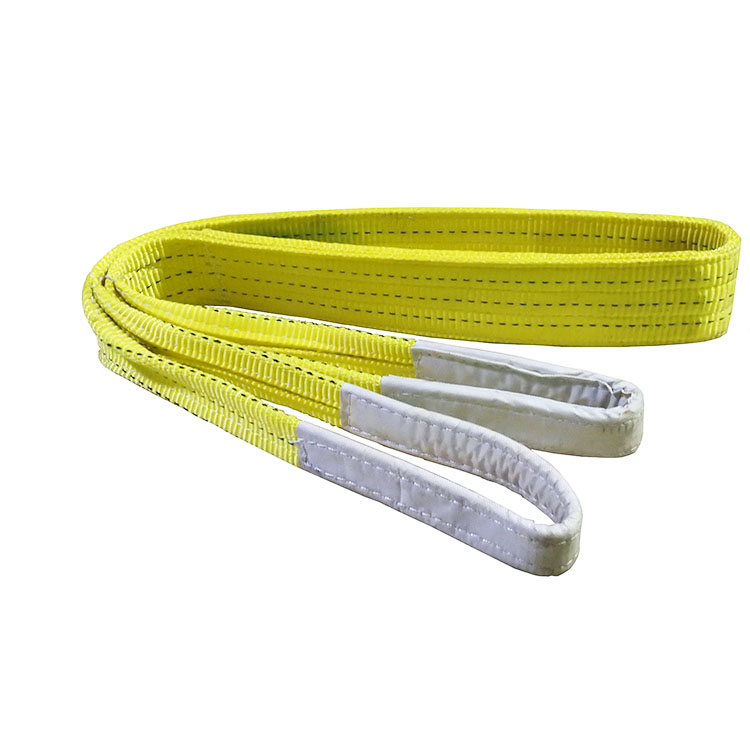
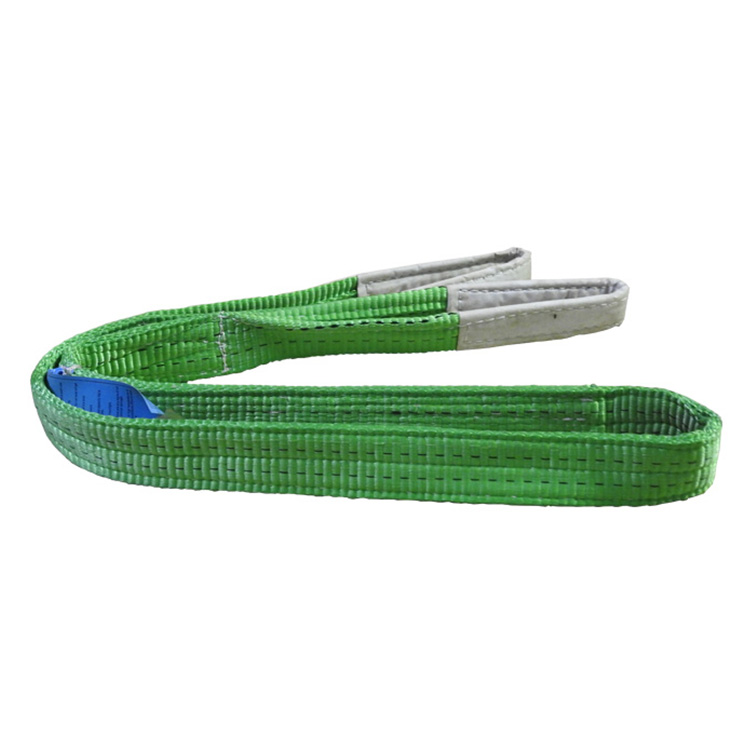
3T Flat Lifting Sling
Hebei Shengyu Lifting Equipment Co., Ltd. specializes in producing various models and specifications of lifting slings, including 1T, 2T, 3T, and many others. The 3T flat lifting sling is one of their most popular products due to its lightweight nature, polyester material, soft yet wear-resistant surface, long service life, alkali and corrosion resistance, and strong tensile strength. It is a very good lifting sling.Whether lifting equipment or goods, they can meet various daily 3-ton lifting needs.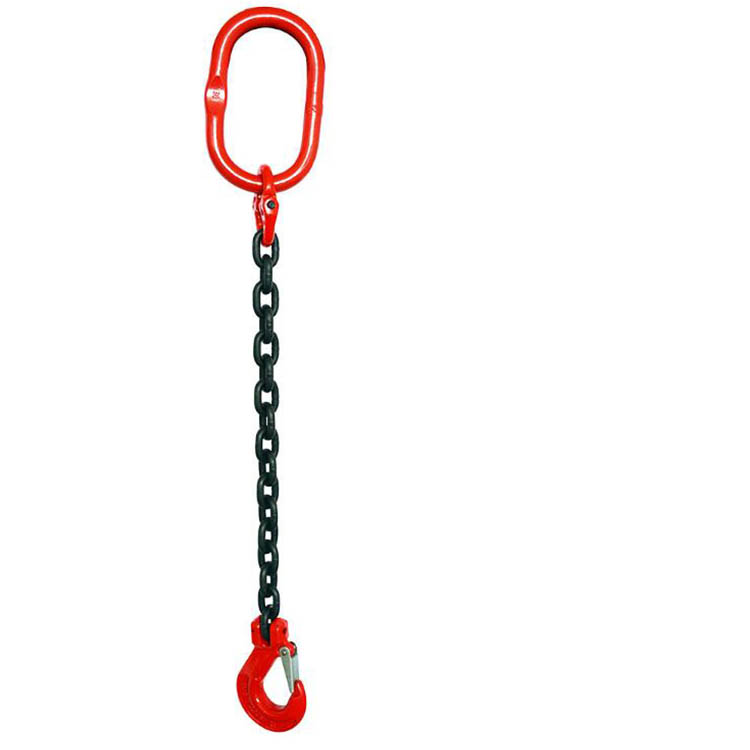
Chain Sling
Shengyu hoisting machinery is a lifting chain sling manufacturer and supplier in China, our high quality chain sling for lifting, also called chain rigging, is a rigid/semi-rigid lifting device assembled from high-strength alloy steel lifting chains, main rings. It’s combine with connecting rings or other metal end fittings. It is the main part for load-bearing component that connects lifting machinery like cranes and hoists and so on. With the lifted object, specifically designed to safely and efficiently for lifting and hoisting or moving worker.
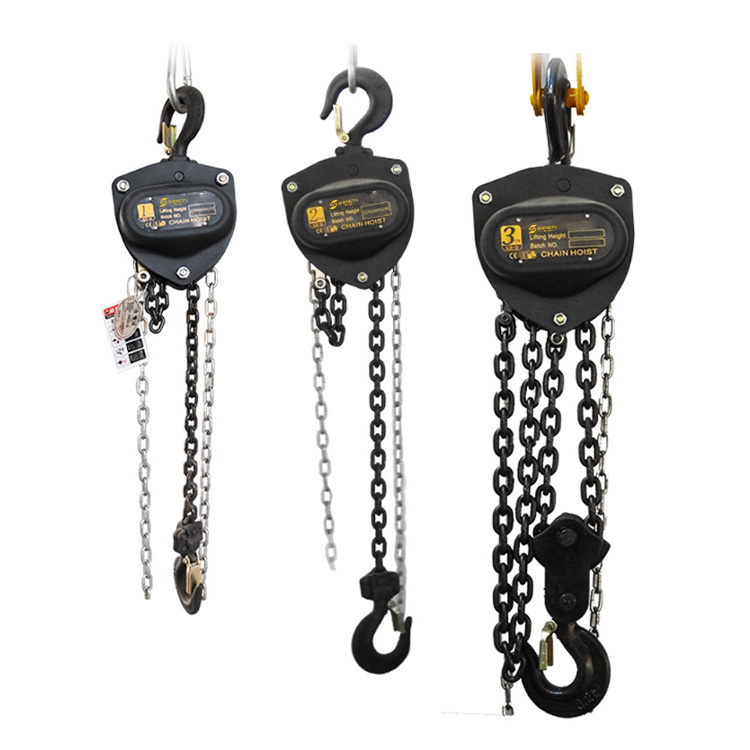
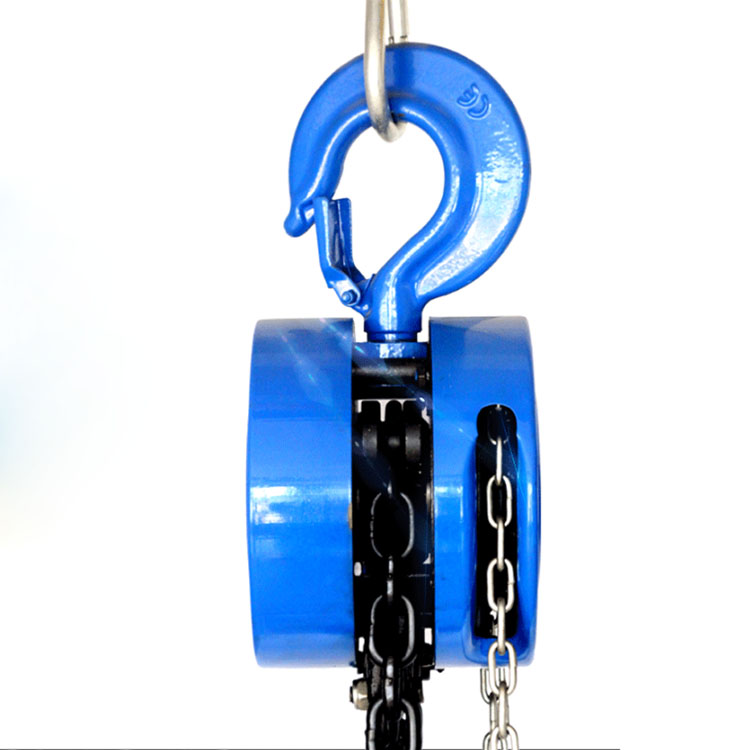
HSC Type Chain Hoist
The HSC type chain hoist is a light weight and efficient lifting device made of high-strength alloy steel. Hebei Shengyu Hoisting Machinery Manufacturing Co., Ltd. is producing HSC type chain hoist more than 20 years. It Widely used in industrial maintenance and equipment installation. The HSC type chain hoist durable and easy to operate. Compact design and low headroom allow installation in combined areas.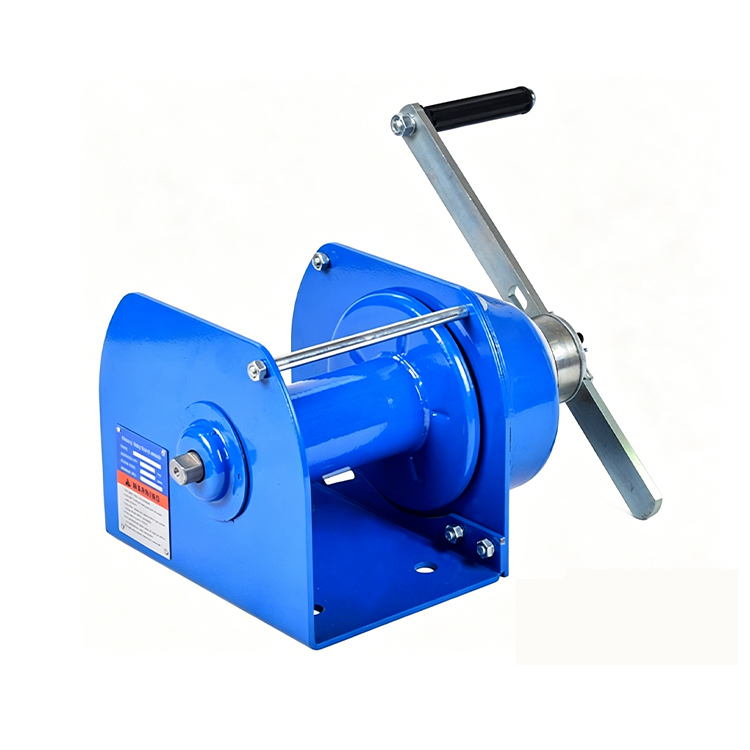
Heavy Duty Self Locking Hand Winch
Hebei Shengyu, as a leading supplier, aims to offer you Heavy Duty Self Locking Hand Winchs that is a efficient lifting and pulling tool.It adopts high-temperature quenched gears and alloy forging process, and is equipped with a two-way self-locking device, making it stable and reliable in operation.Equipped with anti-detachment hooks and wear-resistant steel wire ropes, it can achieve heavy object traction and hoisting without power supply, and is widely applicable to construction sites, outdoor and other scenarios, taking into account both safety and convenience.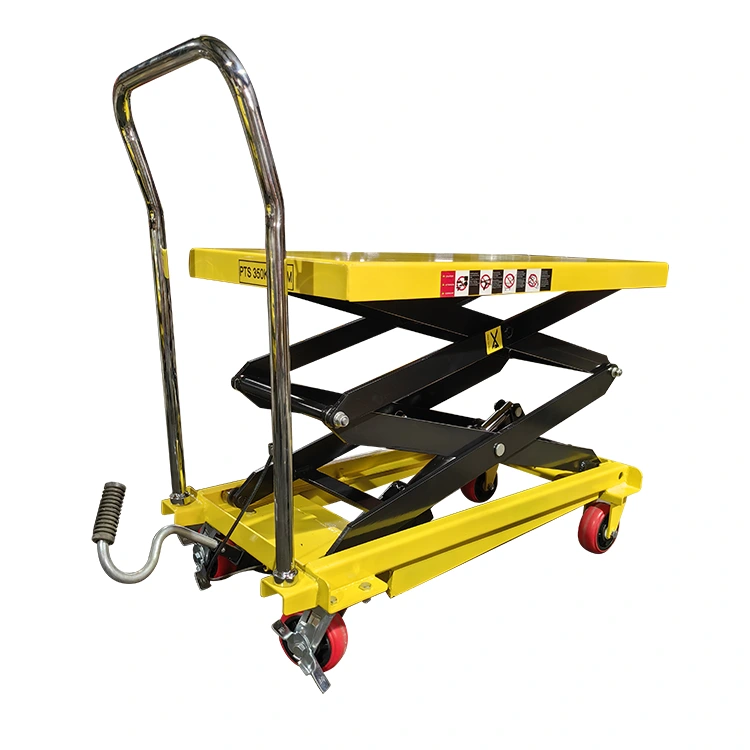
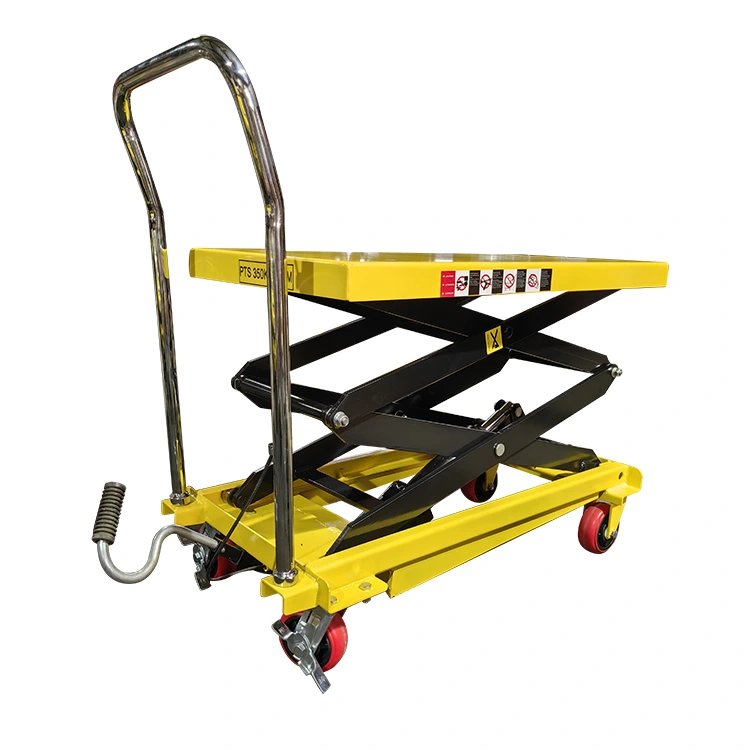
350kg Lifting Table for Docks
Designed for dockside operations and marine maintenance, Shengyu durable 350kg Lifting Table for Docks offers a reliable lifting solution for buyers. Its mobile hydraulic design allows workers to handle tools, spare parts, and small components with greater flexibility, making it suitable for ports, shipyards, and dock areas where working space and power access may be restricted.
- Related Blog
- Reviews
