

Industry News
 20 2026-10
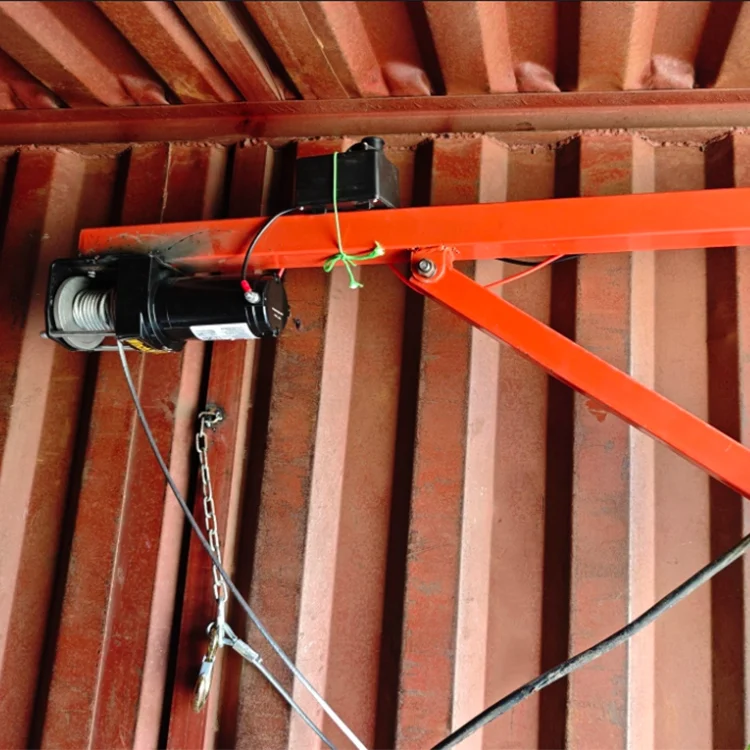
 How Does the Electric Winch Perform Lifting in Confined‑Space Environments?
Hebei Shengyu Lifting Equipment Manufacturer provides compact, lightweight, portable and high‑power products for end‑users. Powered by DC voltage, they work well in places without mains power, easing lifting difficulties and improving working efficiency.
 14 2026-10
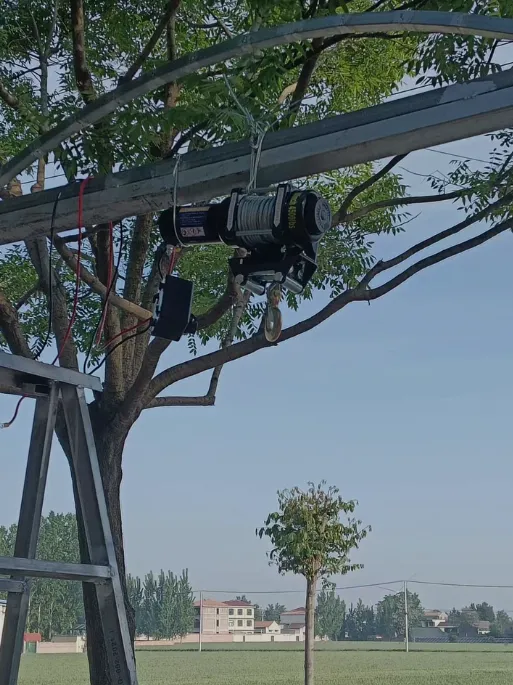
 How to Hoist with Simple-Steel-Frame Electric Winch?
Hebei Shengyu electric winches come in multiple models, featuring compact size and stable voltage. Both wired and wireless control modes are available. Equipped with pure-copper wire coils, they deliver powerful lifting capacity for cargo. These electric winches can be installed either horizontally or suspended. Below is a real-world application case shared by the electric winch manufacturer.
 13 2026-10
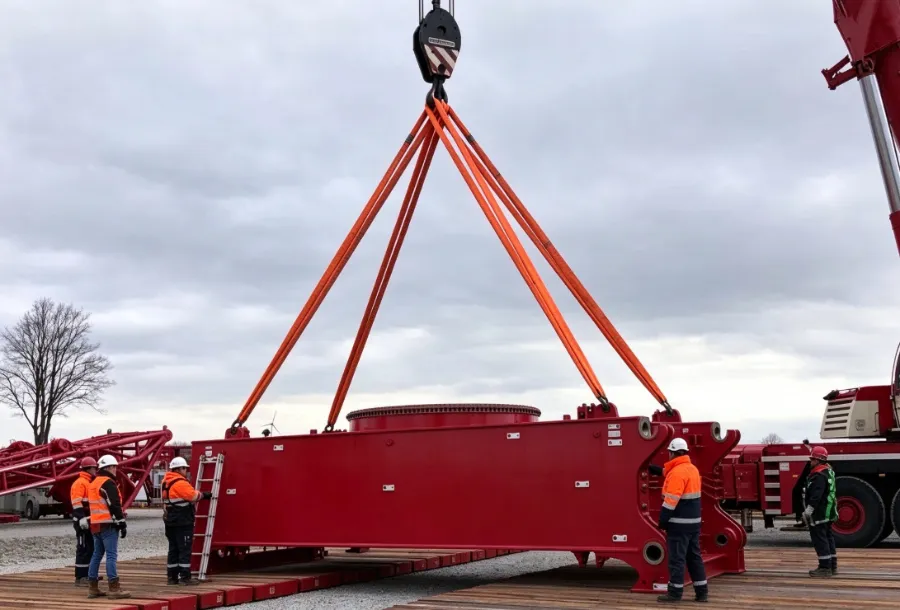
 Can a Flexible Lifting Sling Cut by the Load's Sharp Edge Still Be Used?
A single cut from a sharp edge can put an entire flexible lifting sling out of service on the spot. Before sampling, price comparison, and bulk ordering, buyers are advised to request the supplier's scrapping criteria and inspection reports first, keeping safety hazards out of the workshop.
 09 2026-10
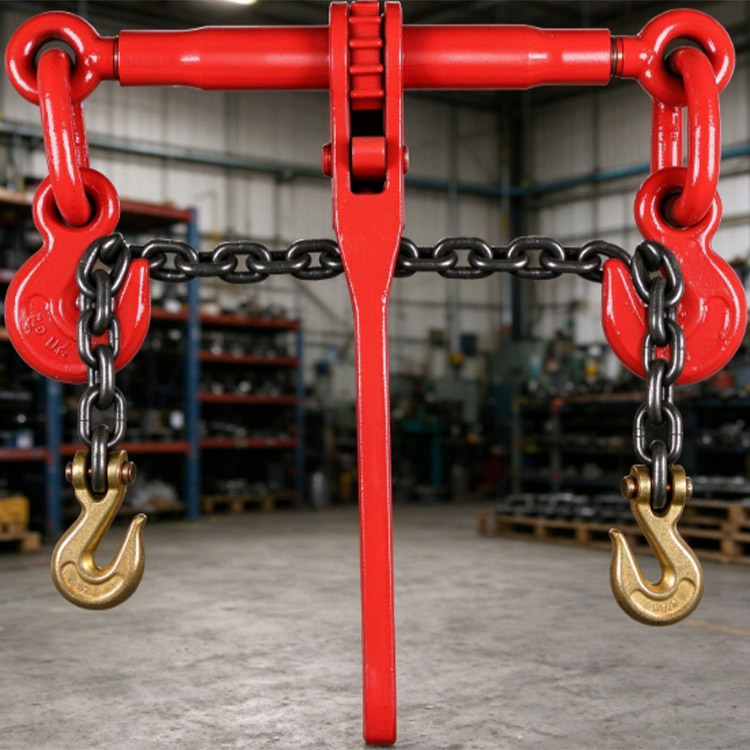
 How Risky Is It Really When Chain and Load Binder Sizes Don't Match?
Ratchet load binders: a chain rated at 5 tonnes paired with a binder rated at only 2 tonnes — this kind of "spec mismatch" is not uncommon in export lashing orders.
 08 2026-10
 What is the Function of the Rope guide for Electric Winches?
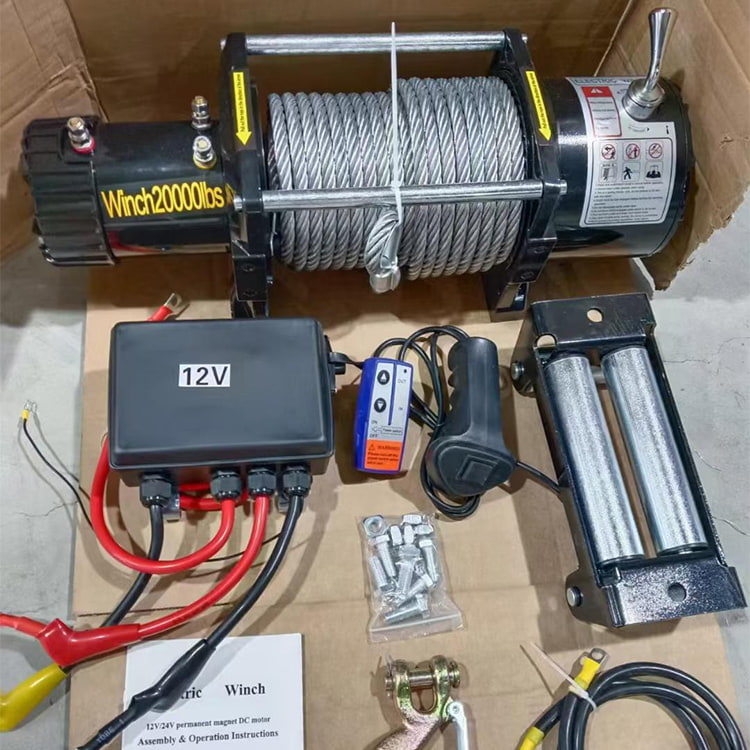
Hebei Shengyu Hoisting a manufacturer of electric winches, produces complete-unit electric winches consisting of a waterproof receiver, pure-copper motor, clutch switch, wired and wireless remote controllers, manganese-steel hook and alloy-steel rope-guide.
 30 2026-09
 What Scenarios Are Electric Winches Suitable For?
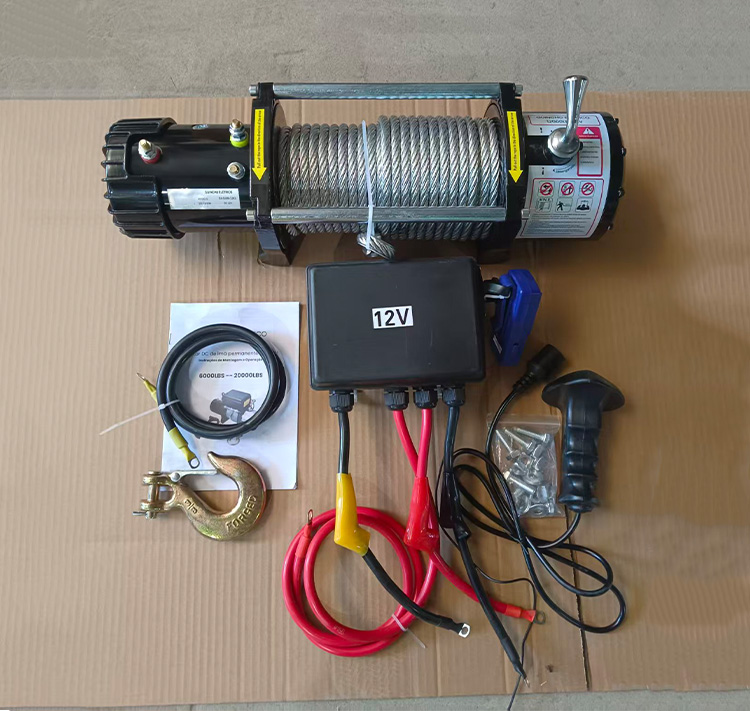
Hebei Shengyu Hoisting manufacturer’s electric winches support horizontal pulling, inclined pulling and heavy-load lifting. Available in 12V, 24V and 48V voltages, they adopt pure-copper motors to deliver strong pulling and lifting force for various harsh working conditions.