

News
Stay updated with Shengyu's latest news, industry trends, and product innovations as a top China manufacturer and supplier of hoisting equipment.
 20 2026-10
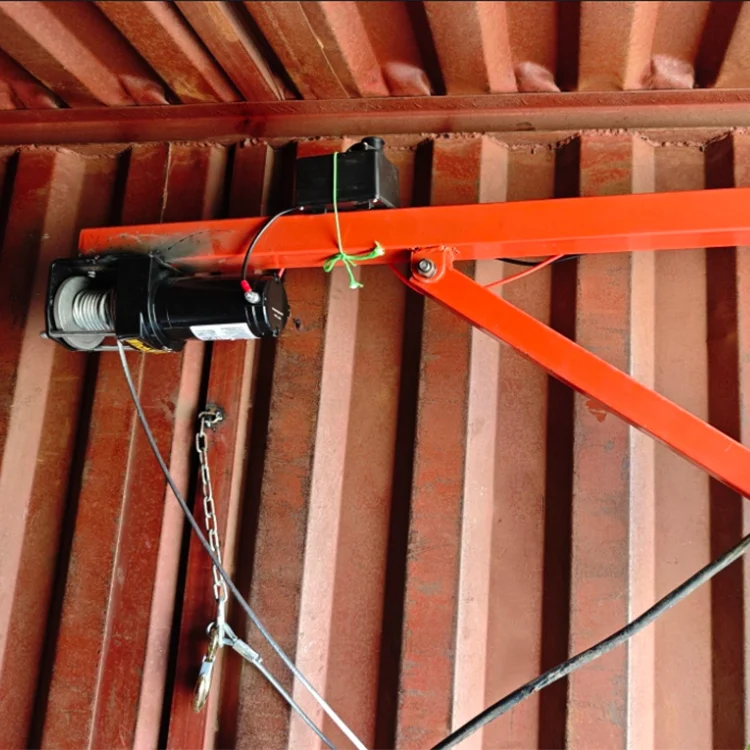
How Does the Electric Winch Perform Lifting in Confined‑Space Environments?
Hebei Shengyu Lifting Equipment Manufacturer provides compact, lightweight, portable and high‑power products for end‑users. Powered by DC voltage, they work well in places without mains power, easing lifting difficulties and improving working efficiency.
 15 2026-10
Does the Electric Winch Feature Waterproof Performance?
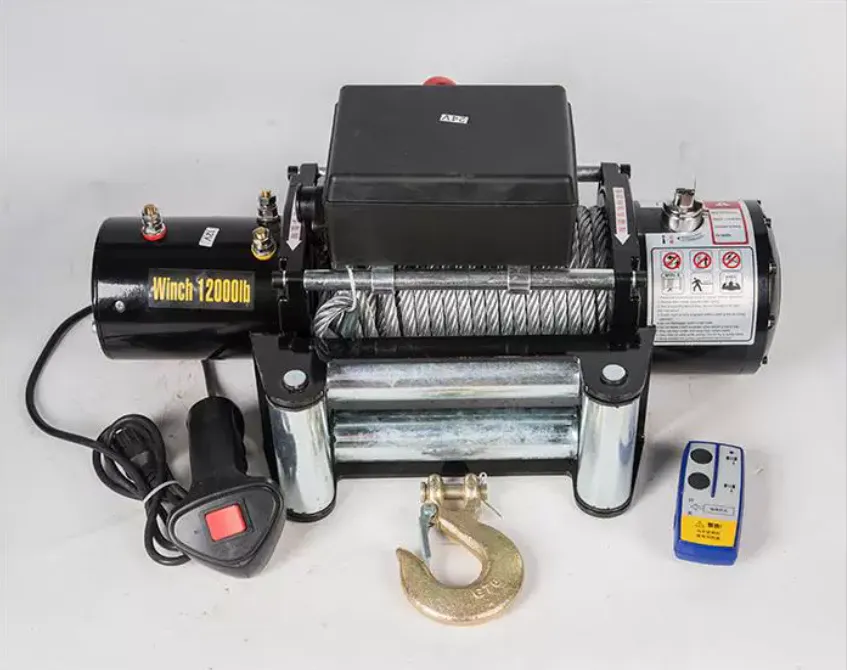
This electric winch is manufactured by Hebei Shengyu Lifting Machinery. It features a motor with pure‑copper windings, anti‑rotation galvanized steel wire rope, clutch and lifting hook. A wired handle switch and wireless remote control are supplied as standard. It works with 12V and 24V power supplies; simply connect the positive and negative terminals for operation. It is simple and easy to operate. Does the complete electric winch come with waterproof capability? Please see the detailed description below:
 14 2026-10
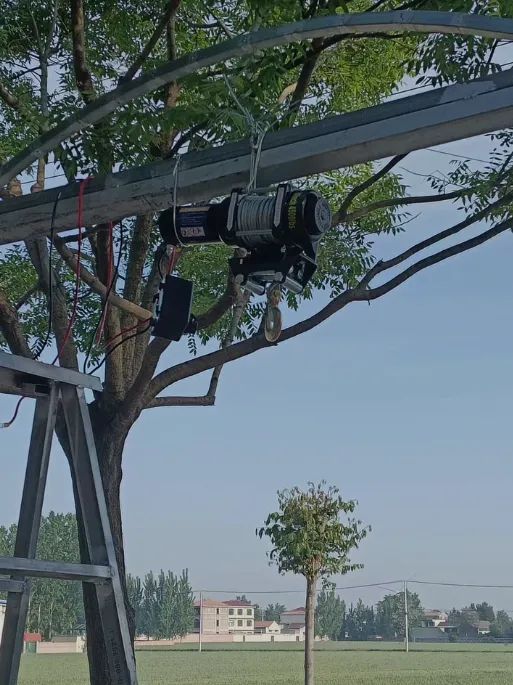
How to Hoist with Simple-Steel-Frame Electric Winch?
Hebei Shengyu electric winches come in multiple models, featuring compact size and stable voltage. Both wired and wireless control modes are available. Equipped with pure-copper wire coils, they deliver powerful lifting capacity for cargo. These electric winches can be installed either horizontally or suspended. Below is a real-world application case shared by the electric winch manufacturer.
 13 2026-10
Can a Flexible Lifting Sling Cut by the Load's Sharp Edge Still Be Used?
A single cut from a sharp edge can put an entire flexible lifting sling out of service on the spot. Before sampling, price comparison, and bulk ordering, buyers are advised to request the supplier's scrapping criteria and inspection reports first, keeping safety hazards out of the workshop.
 12 2026-10
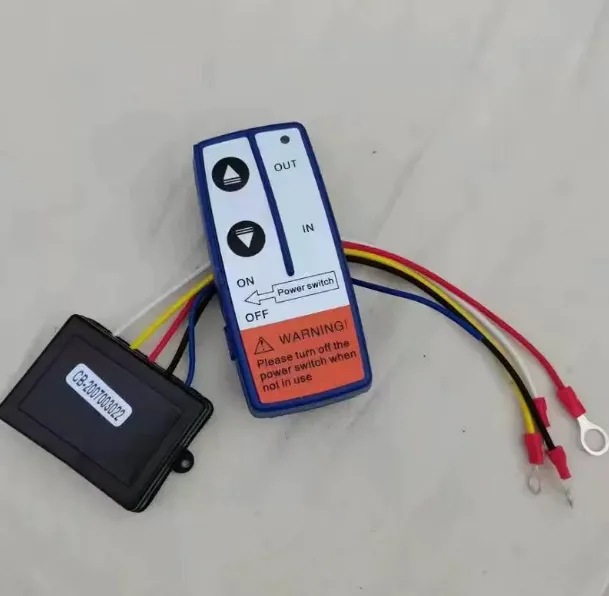
What to Do If the Wireless Remote Control of Electric Winch Fails?
Hebei Shengyu electric winches are widely applied in off-road vehicle self-rescue, trailer rescue, heavy-object pulling at docks, as well as recreational vehicles, ships, hoisting and other scenarios for heavy-object traction and displacement. This electric winch supports both wired and wireless control. Most users prefer the wireless remote. What if the wireless remote control fails during operation? The electric winch manufacturer gives detailed instructions as follows:
 10 2026-10
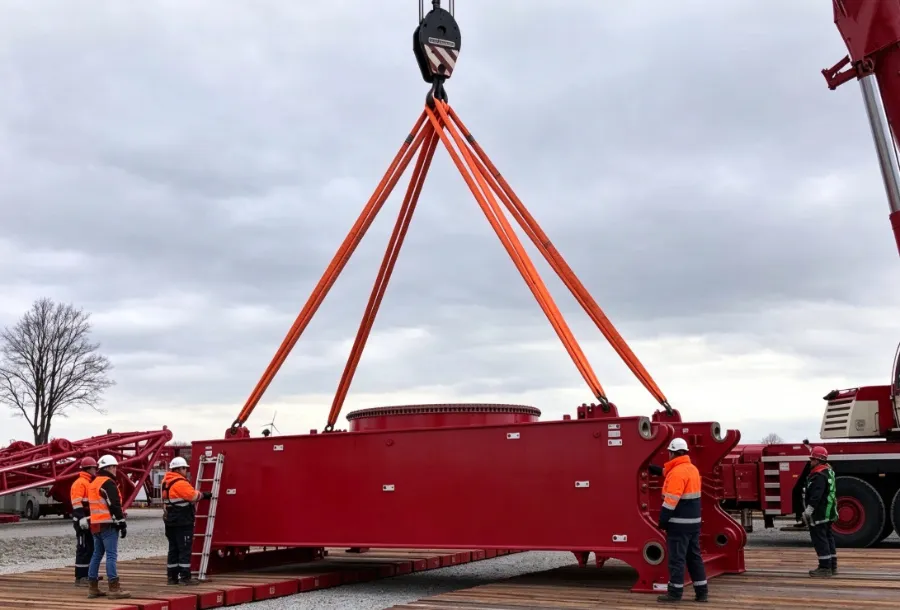
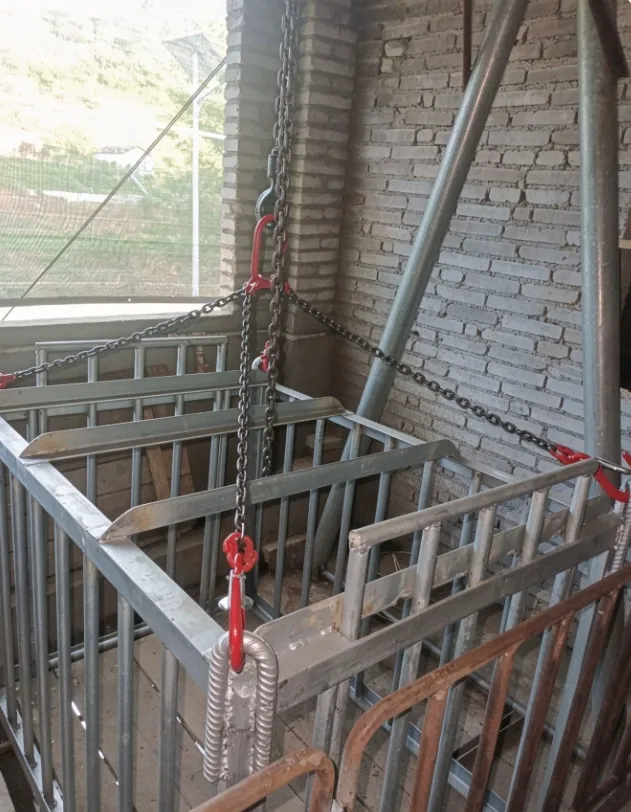
Are All Four Legs of a Four-Leg Sling Really Carrying Load?
Four-leg slings are often taken for granted as "sharing the load evenly across all four legs". Yet on-site measurements and general calculations show that under common conditions such as an offset centre of gravity, length tolerances between legs, and excessively large sling angles, only two or three legs are actually carrying the load, and the tension in a single leg can reach 1.5–2 times — or even more — the theoretical value for a vertical lift. When placing an order, the actual lifting weight must be stated clearly so that the configuration can be customized to suit that weight.