
Lifting Jack
Hebei Shengyu jacks are commonly used lifting tools, primarily for lifting heavy objects over short distances, and are widely used in automotive repair, construction, and machinery installation. Based on their structural principles, power sources, and application scenarios, they can be categorized as follows, each with distinct characteristics to suit different needs.
Based on power source, the most common type is the manual jack, which comes in two types: screw jack and hydraulic jack. Manual screw jacks transmit power by rotating a screw. They are simple in structure, compact in size, and easy to carry. They require no electricity or hydraulic support, making them suitable for outdoor emergencies and light lifting. Rated lifting capacities generally range from 1 to 50 tons, but their lifting speed is relatively slow. Manual hydraulic jacks use hydraulic oil to transmit pressure, offering high lifting efficiency, easy operation, and a wide lifting capacity range. They are a common tool in automotive repair. The disadvantage is that the hydraulic oil needs to be checked regularly to prevent leaks.
Electric jacks are powered by electricity and are divided into electric hydraulic type and electric screw type. They are fast, labor-saving and efficient, suitable for lifting heavy objects and frequent operations. The rated lifting capacity can reach tens of tons or even hundreds of tons. They are widely used in factories, warehouses and large-scale engineering sites, but they rely on power supply and have poor portability.
Based on their structure, there are also detachable jacks, where the hydraulic pump and lifting cylinder are separate, allowing for remote operation and suitability for work in confined spaces; horizontal jacks are flat in shape, suitable for automotive chassis repair, offering a lower lifting height but high stability. In addition, there are specialized jacks, such as railway jacks and bridge jacks, which are highly targeted and can meet the lifting needs of special scenarios. All types of jacks should be selected appropriately based on the lifting weight, working environment, and operational requirements to ensure safe and efficient use.

- View as
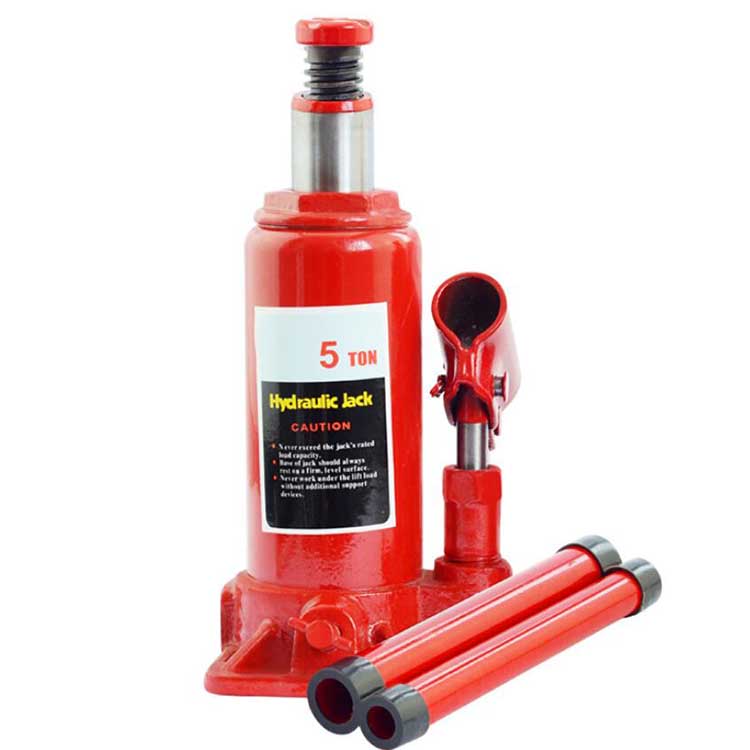
Hydraulic Jack
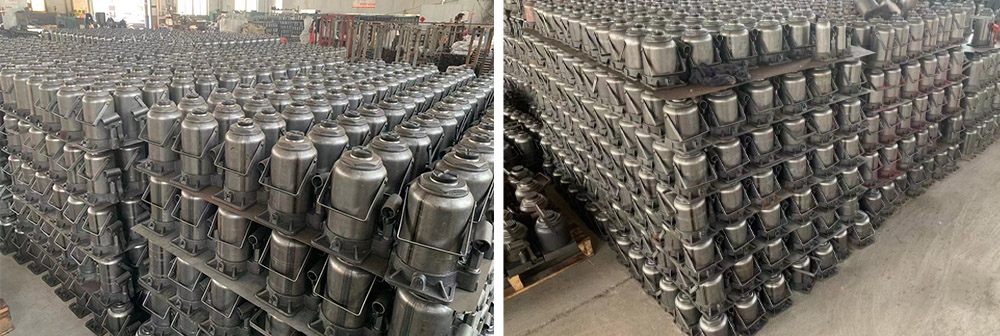
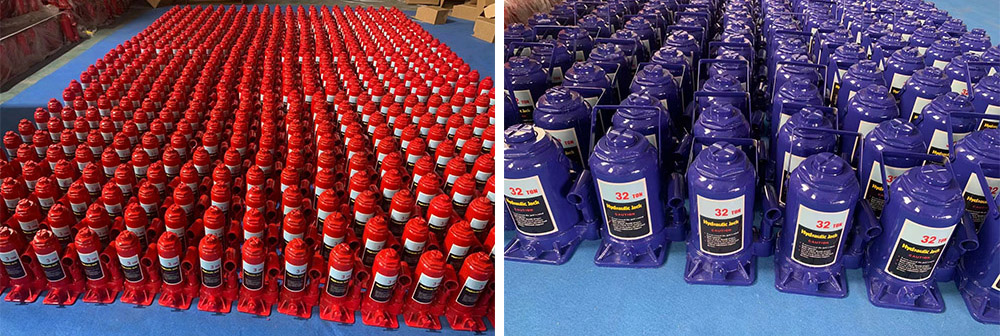
Hebei Shengyu ‘s as a Hydraulic jack producer is a tool that uses hydraulic principles to achieve lifting. When in use, a portable lifting tool that uses manual or electric pumps to provide small power to drive hydraulic oil, thereby converting small manual input force into a large vertical lifting force. The core components of its structure are a vertically placed rigid oil cylinder and piston, which can convert external force into upward force through hydraulic oil during operation, thereby causing the piston rod (top column) to extend vertically upward and lifting heavy objects. It is also known as a "hydraulic jack" because it is usually shaped like a vertical cylinder.
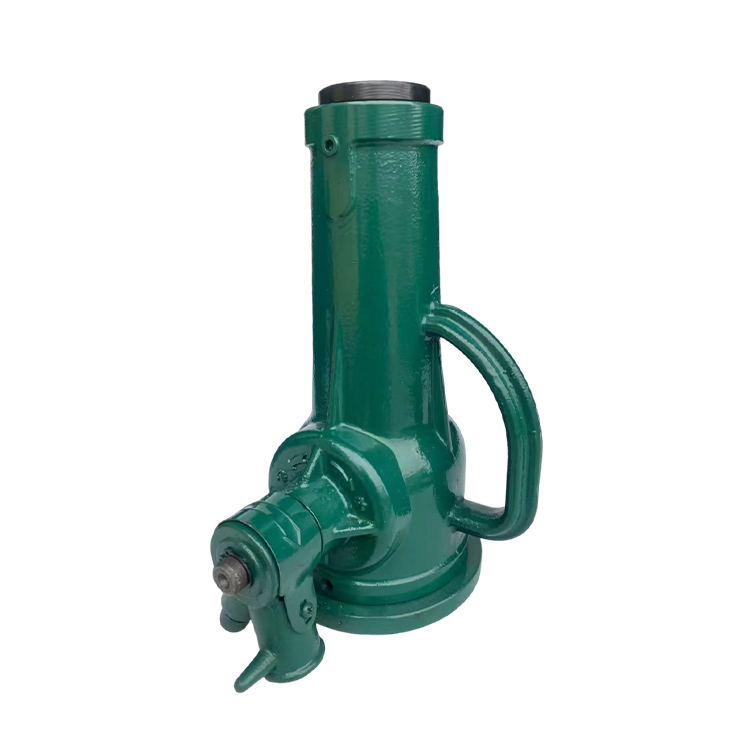
Screw Jack
As the professional lifting and hoisting equipment manufacturer, Shengyu factory would like to provide you high quality screw jack. A screw jack from Shengyu is a mechanical lifting equipment that uses human or electric power to drive the screw to rotate, causing the screw to move in a spiral motion in the nut, thereby lifting or lowering heavy objects.The core principle is to utilize the self-locking characteristics and mechanical gain of the spiral pair, and generate a huge linear thrust with a small rotational force.Main components: base, screw (lead screw), nut, tray (top cap), handle hole, gear transmission mechanism (mechanical), motor and reducer (electric).
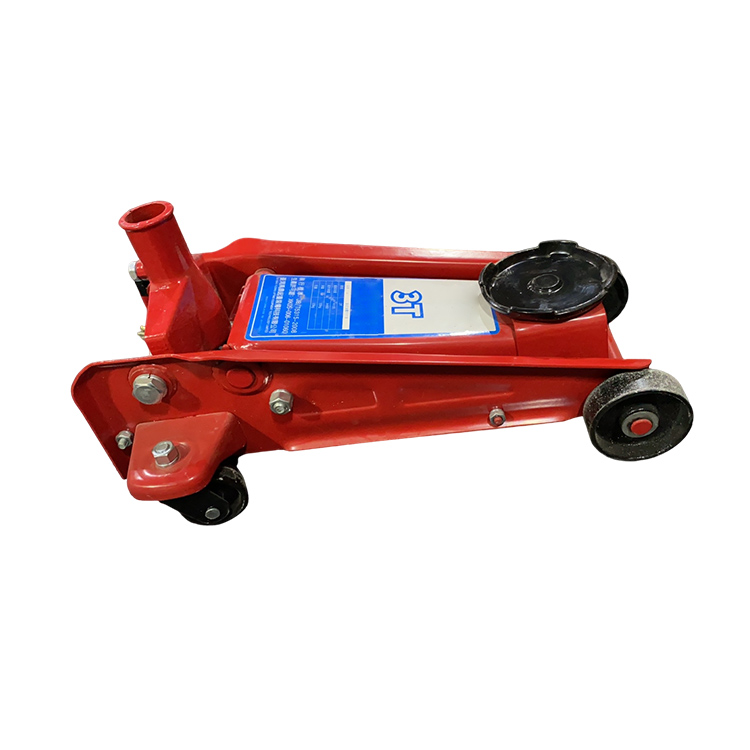
Floor Jack
Hebei Shengyu hoisting machinery manufacturing co., ltd’s as a manufacture for floor jack is famous according to best quality.Also known as low height jack or floor jack, is a lifting tool that can be placed horizontally and can stably convert horizontal thrust into vertical lifting force through hydraulic or mechanical transmission. The most important characteristics of horizontal jacks are compact structure, low minimum height, and small storage space required. Therefore, they are very suitable for space limited occasions such as automobile maintenance, logistics loading and unloading, and equipment installation, and play an irreplaceable role.
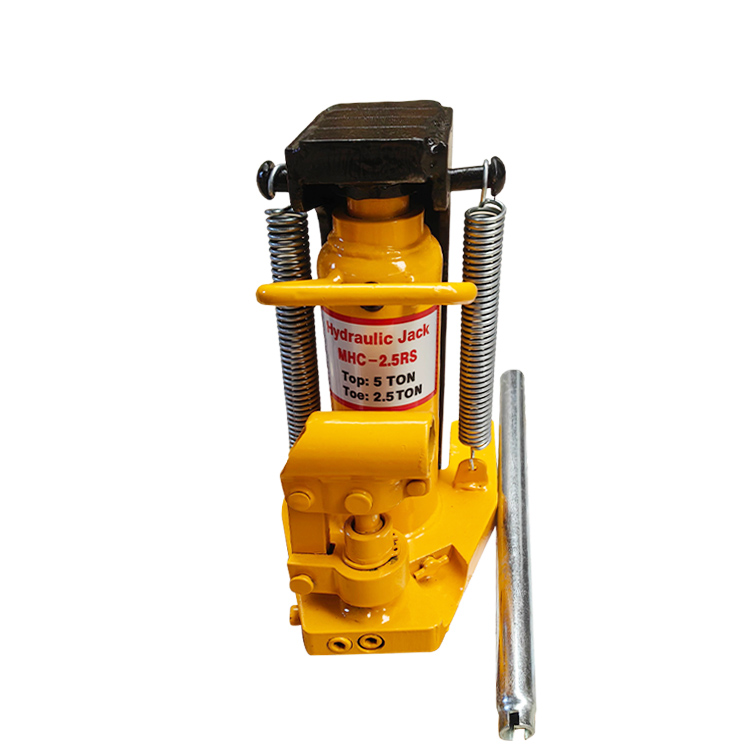
Claw Type Jack
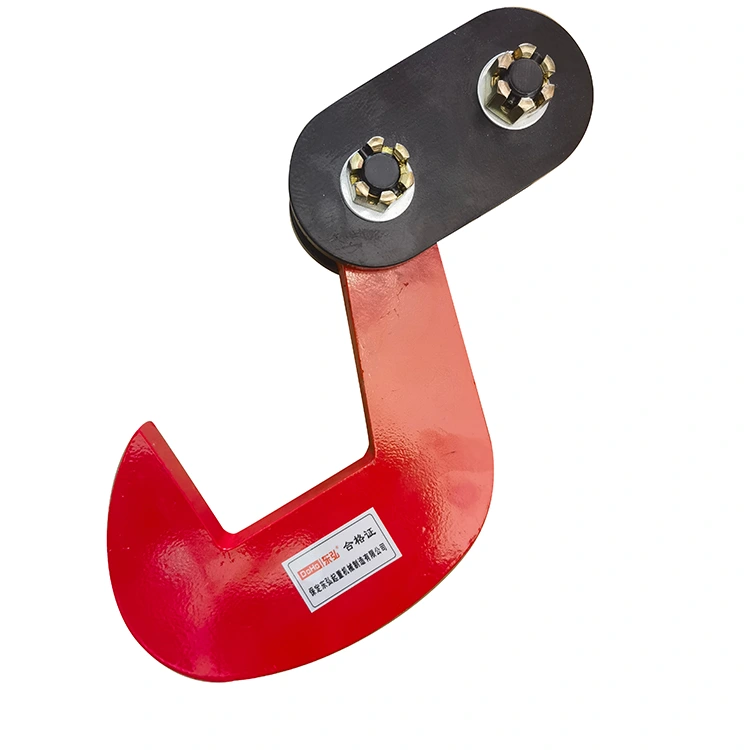
Shengyu, as a professional lifting jack manufacturer and supplier in China, we would like to provide you customized claw type jack, also known as the rack jack, lifting machine, or "old-timer," is a simple, sturdy, and durable manual mechanical lifting device that use a lever and ratchet mechanism to drive a rigid support rod with a rack (main rack rod) to perform vertical reciprocating motion within the machine body. With a unique low-profile claw design, they access ultra-low ground spaces and lift objects from the bottom edge (not just directly beneath), requiring no external power and excelling in harsh working conditions.
Shengyu is a professional Lifting Jack manufacturer and supplier in China. We warmly welcome you to wholesale high quality products at competitive price from our factory.