
How Do You Choose the Right Pallet Truck?
Abstract
A pallet truck looks simple, but choosing the wrong one can quietly drain your operation through slower picking, damaged pallets, strained backs, and constant wheel replacements. This article breaks down the real-world pain points buyers face—tight aisles, uneven floors, heavy loads, frequent downtime, and inconsistent performance—and turns them into a clear selection checklist. You’ll learn how capacity, fork size, wheel materials, pump quality, and ergonomics affect daily handling, plus practical tips to reduce maintenance and improve safety. We’ll also share a decision table that maps common warehouse scenarios to the features that matter most, so you can purchase with confidence and keep your workflow moving.
Table of Contents
- Abstract
- Outline
- What a Pallet Truck Does and Why Details Matter
- Customer Pain Points and What Actually Fixes Them
- A Practical Selection Guide
- Scenario-to-Feature Decision Table
- Daily Use Tips for Faster, Safer Handling
- Maintenance Habits That Prevent Downtime
- When to Consider Specialized Options
- Working With a Reliable Supplier
- FAQ
- Next Steps
Outline
- Explain how a pallet truck works and which components affect performance.
- Identify the most common buyer frustrations and the features that solve them.
- Provide a straightforward guide for capacity, forks, wheels, and ergonomics.
- Use a decision table to match real scenarios with recommended specs.
- Share best practices for daily operation, safety, and load protection.
- Offer a maintenance routine to reduce failures and extend service life.
- Clarify when special pallet truck types are worth the investment.
- Answer frequently asked questions and end with a clear action step.
What a Pallet Truck Does and Why Details Matter
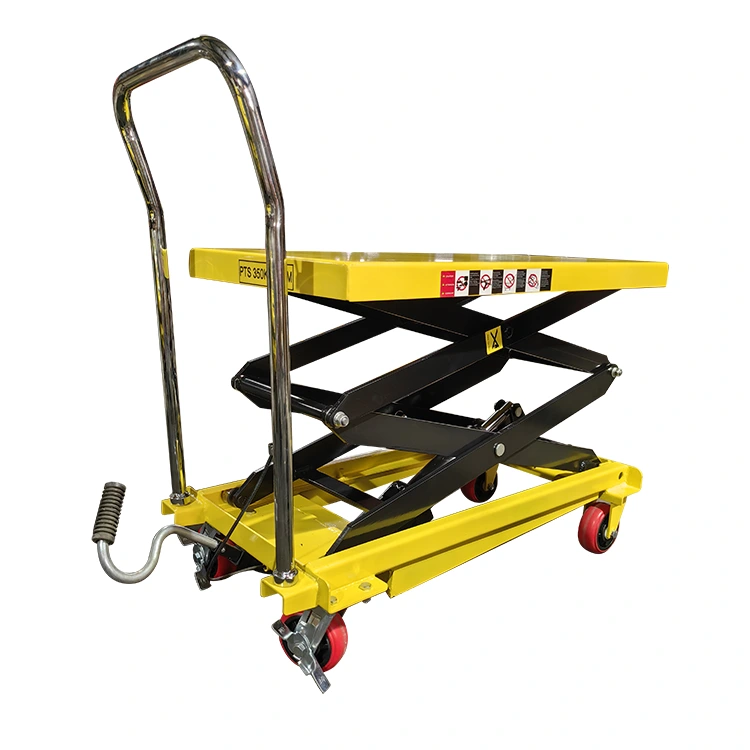
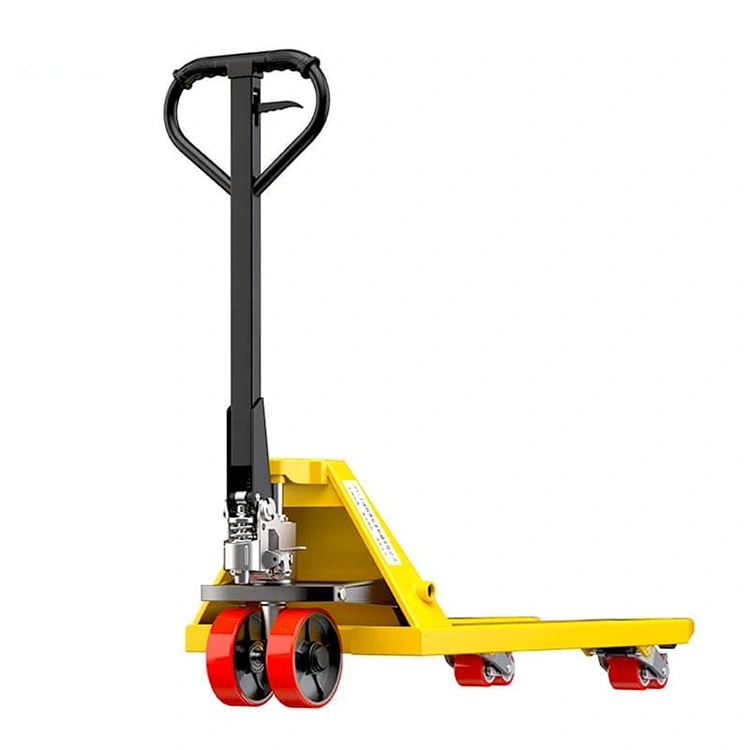
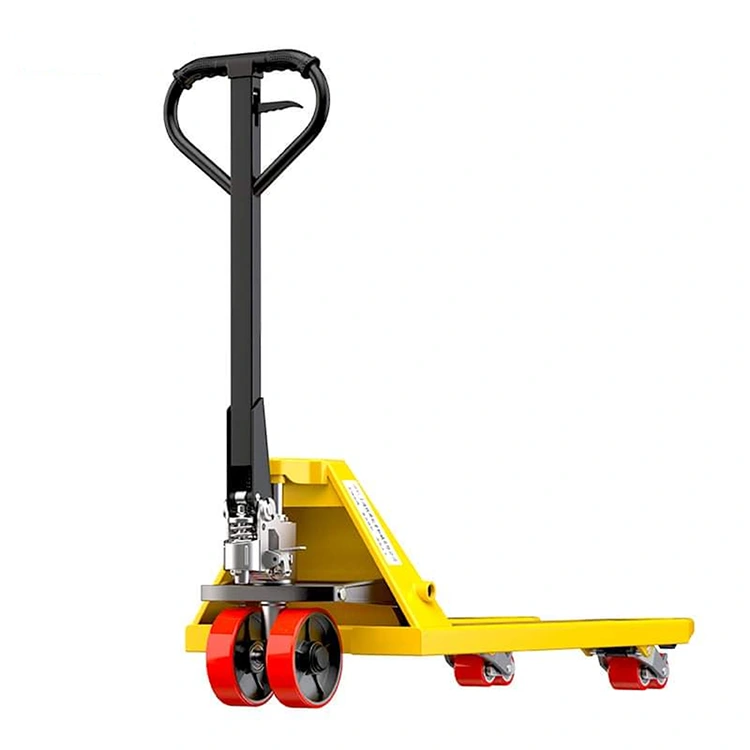
A pallet truck is the backbone of short-distance material movement: it lifts a pallet just high enough to roll, then helps an operator steer loads through receiving, storage, picking, staging, and shipping. Because the lift height is modest and the design is compact, many buyers assume all models behave the same. In practice, small differences in geometry and component quality can change how fast you work and how tired your team feels at the end of a shift.
The most important performance drivers usually come down to four areas:
- Hydraulic pump and seals: Determines how smoothly it lifts, how long it holds pressure, and whether it starts leaking after months of use.
- Fork dimensions and frame rigidity: Controls pallet compatibility, stability, and the risk of bending under high-frequency or heavy loads.
- Wheel material and bearing quality: Affects push force, noise, floor marking, and how it handles dust, small debris, and uneven surfaces.
- Ergonomics and turning radius: Influences maneuverability in tight aisles and reduces strain on wrists, shoulders, and lower back.
If your operation runs multiple shifts, even a “minor” improvement—like easier rolling wheels or a tighter turning angle—can translate into meaningful time savings and fewer injuries over the year.
Customer Pain Points and What Actually Fixes Them
Most pallet truck complaints sound like “it’s hard to push” or “the wheels keep breaking,” but the real causes are usually predictable. Here are the pain points buyers mention most often, paired with what to look for when solving them.
-
Pain point: Excessive push force and operator fatigue.
Common causes include hard wheel material on rough floors, poor bearings, overloaded capacity, or frequent threshold transitions. Look for quality bearings, appropriate wheel material (often polyurethane for mixed indoor floors), and a capacity that matches your heaviest real load—not just the average. -
Pain point: Pallet damage or unstable loads.
This can happen when fork width doesn’t match your pallets, when the frame flexes, or when entry rollers are missing or undersized. Correct fork dimensions and a stable chassis reduce wobble, especially when turning with tall loads. -
Pain point: Poor performance on uneven floors or dock plates.
If you cross expansion joints, ramps, or dock edges daily, wheel type and fork entry rollers matter. A setup designed for smoother transitions reduces “stuck points” that force operators to yank or jerk the handle. -
Pain point: Hydraulic leaks and inconsistent lifting.
Cheap seals or low-quality finishing can lead to drift, slow lift, or oil seepage. A reliable pump system, consistent manufacturing tolerances, and accessible replacement parts make a big difference over time. -
Pain point: Tight aisles and awkward turning.
In small warehouses or retail backrooms, turning radius becomes the deciding factor. A well-designed handle geometry and wheel arrangement helps operators reposition loads without repeated multi-point turns. -
Pain point: Noise complaints and floor marking.
Some wheel materials are louder and can mark certain floor coatings. Choosing the right tread material protects surfaces and keeps the workplace more comfortable—especially in facilities operating near offices or customer areas.
A Practical Selection Guide
Instead of shopping by price first, start by mapping your real workflow. A pallet truck that’s perfect for smooth concrete may struggle in a mixed environment with thresholds, ramps, and frequent turns. Use the checklist below to narrow your choices quickly.
-
1) Define your true load profile.
Note your heaviest loads (including pallet weight), how often you move them, and whether loads are tall or top-heavy. Choose a capacity that covers your maximum with breathing room. Overloading is one of the fastest ways to destroy wheels and pumps. -
2) Match fork dimensions to your pallets.
The most common compatibility problems come from fork length and outside fork width. If your site uses multiple pallet types, prioritize the dominant standard and confirm edge cases (like longer pallets or non-standard skids). -
3) Choose wheel materials based on your floors.
For indoor warehouses, polyurethane wheels often balance roll efficiency and floor protection. Nylon tends to roll easily on smooth floors but can be harsher on rough surfaces. Rubber can reduce vibration and noise but may increase push effort and wear differently depending on conditions. -
4) Look for smooth lift control and stable lowering.
A controlled descent protects fragile goods and prevents load shifting. If operators complain that a truck “drops too fast,” it’s not just annoying—it increases damage risk and stress. -
5) Consider maneuverability as a productivity feature.
In tight spaces, a model that turns cleanly saves time every single move. That effect compounds across a day, a week, and a year. -
6) Plan for service, not just purchase.
Ask about seal kits, wheels, and common wear parts. A pallet truck is a tool you’ll maintain; downtime usually costs more than the part itself.
Scenario-to-Feature Decision Table
| Operating Scenario | Typical Problem | Features That Help | What to Verify Before Buying |
|---|---|---|---|
| High-volume picking on smooth concrete | Slow travel and fatigue from repeated pushes | Efficient rolling wheels, strong bearings, smooth steering | Wheel material, bearing quality, turning behavior under load |
| Mixed floors with thresholds or expansion joints | Getting stuck, jolts that shift loads | Appropriate wheel material, effective entry rollers, stable frame | How it crosses dock plates/joints, fork tip clearance |
| Tight aisles or retail backroom | Multi-point turns and awkward positioning | Compact design, responsive steering, practical fork size | Turning radius, handle comfort, maneuverability with tall pallets |
| Heavy loads near the capacity limit | Wheel failure, pump strain, bending risk | Higher-rated capacity, strong chassis, reliable hydraulics | Rated capacity vs real loads, frame rigidity, service parts availability |
| Noise-sensitive or customer-facing area | Noise complaints and floor marking | Floor-friendly wheel material, stable descent control | Noise level, floor marking behavior, smooth lowering control |
Daily Use Tips for Faster, Safer Handling
Even the best pallet truck can feel “bad” if it’s used in ways that create unnecessary friction. The habits below are simple, but they reduce damage and improve daily speed.
- Start with a quick pre-check: Look for oil seepage, cracked wheels, loose bolts, or unusual resistance before the shift begins.
- Enter pallets straight: Angled entry increases the chance of catching deck boards and stressing the fork tips.
- Keep loads centered: Off-center pallets make steering heavy and increase wheel wear on one side.
- Use controlled lowering: A sudden drop can shift goods, damage pallets, and surprise nearby workers.
- Respect ramps and dock plates: Move slowly, keep the load stable, and avoid sharp turns on inclines.
- Store correctly: Park on level ground with forks lowered to reduce pressure on the hydraulic system.
These practices aren’t just about safety—they keep your equipment consistent. Consistency is what turns “a tool” into “a workflow you can depend on.”
Maintenance Habits That Prevent Downtime
Most pallet truck failures are not sudden mysteries. They’re the result of small issues that were ignored until performance dropped. A lightweight routine keeps your fleet reliable without turning maintenance into a full-time job.
- Daily: Wipe visible dirt, check for oil residue, verify that lifting and lowering feel smooth, and listen for wheel grinding.
- Weekly: Inspect wheel wear, check bolts and fittings, and look for uneven rolling that suggests bearing problems or misalignment.
- Monthly: Review hydraulic performance under typical loads, check handle movement, and confirm that the release mechanism lowers steadily.
- As needed: Replace worn wheels early. Waiting too long increases push force, risks floor damage, and can accelerate failure in other components.
If your site runs continuous shifts, consider keeping a small spare-parts kit (wheels and common seal components) so minor issues don’t pause operations.
When to Consider Specialized Options
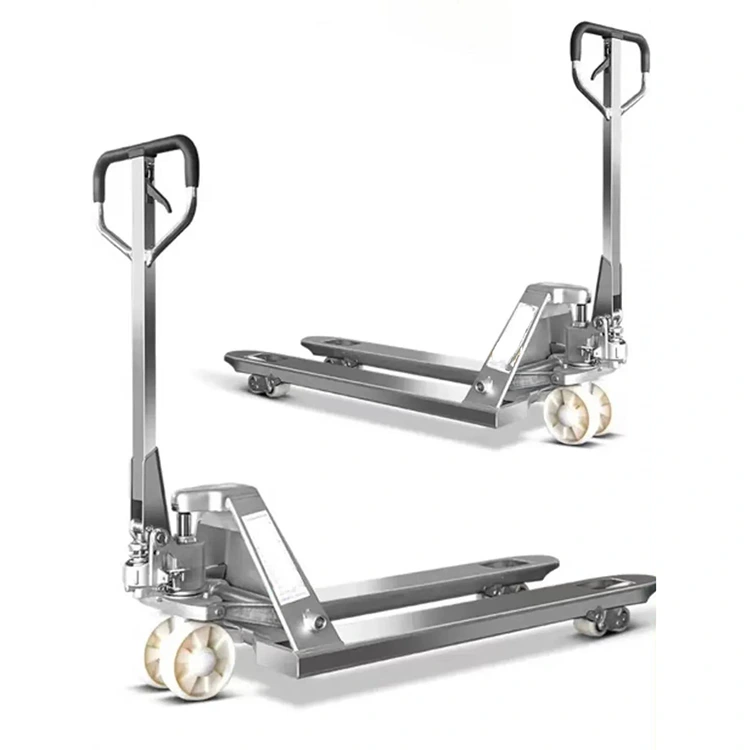
A standard pallet truck covers many use cases, but certain environments benefit from specialized designs. The goal isn’t to “buy more,” but to remove a bottleneck that costs money every day.
- High-lift models: Useful when pallets must be raised higher for light assembly or ergonomic working height.
- Scale-integrated options: Helps when weighing is part of receiving or shipping verification and you want to reduce extra handling steps.
- Stainless or corrosion-resistant models: Practical in environments where moisture, washdowns, or chemical exposure would shorten normal equipment life.
- Electric variants: Worth it when travel distances are long, loads are heavy, or you want to reduce operator fatigue in high-throughput facilities.
Working With a Reliable Supplier
The right pallet truck is as much about support as it is about specs. When buyers only compare capacity numbers, they often miss what matters most after the first few months: stable performance, consistent quality, and parts support.
Hebei?Shengyu?Hoisting?Machinery?Manufacturing?Co.,?Ltd. supplies pallet-handling equipment with a focus on practical warehouse needs—matching load capacity, fork size, and wheel configurations to real operating conditions rather than a one-size-fits-all approach. If your workflow includes special pallets, unique aisle constraints, or demanding floor conditions, the right supplier can help you avoid the “trial and error” purchases that waste budget and frustrate operators.
FAQ
Q: What capacity should I choose for a pallet truck?
A: Base it on your heaviest real load (goods + pallet) and add a safety margin. If heavy loads are frequent, prioritize a stronger chassis and reliable hydraulics rather than selecting the minimum rating.
Q: Why does my pallet truck feel hard to push?
A: Common reasons include worn wheels, unsuitable wheel material for your floor, poor bearings, debris buildup, or consistent overloading. Matching wheel type to floor conditions and replacing wheels early can dramatically reduce push effort.
Q: How do I avoid pallet damage during entry?
A: Verify fork length and width match your pallet type, enter straight, and ensure entry rollers help the fork tips climb smoothly. Poor alignment and repeated angled entry are frequent causes of deck board damage.
Q: What wheel material is best for indoor warehouses?
A: Many facilities choose polyurethane because it balances smooth rolling with floor protection. The “best” choice depends on floor texture, debris levels, and how noise-sensitive the area is.
Q: How often should I service the hydraulics?
A: If daily lift performance changes, lowering becomes unstable, or you see oil residue, inspect immediately. Otherwise, routine monthly checks and attention to small leaks help you avoid larger failures.
Q: When should I switch from manual to electric?
A: If operators regularly move heavy pallets over longer distances, or if fatigue is slowing throughput and increasing injuries, electric options can be a practical upgrade rather than a luxury.
Next Steps
If you’re ready to reduce handling headaches, improve daily workflow, and choose a pallet truck that actually fits your floor conditions and pallet types, reach out to Hebei?Shengyu?Hoisting?Machinery?Manufacturing?Co.,?Ltd. with your load capacity, pallet dimensions, and usage scenario—then contact us to get a practical recommendation and a fast quotation.
Related News
- How Does the Electric Winch Perform Lifting in Confined‑Space Environments?
- How to Hoist with Simple-Steel-Frame Electric Winch?
- Can a Flexible Lifting Sling Cut by the Load's Sharp Edge Still Be Used?
- How Risky Is It Really When Chain and Load Binder Sizes Don't Match?
- What is the Function of the Rope guide for Electric Winches?
- What Scenarios Are Electric Winches Suitable For?
Leave me a message