
Why Do Warehouse Managers Insist on Anti-Fall Mechanisms for 350kg Lifting Tables?
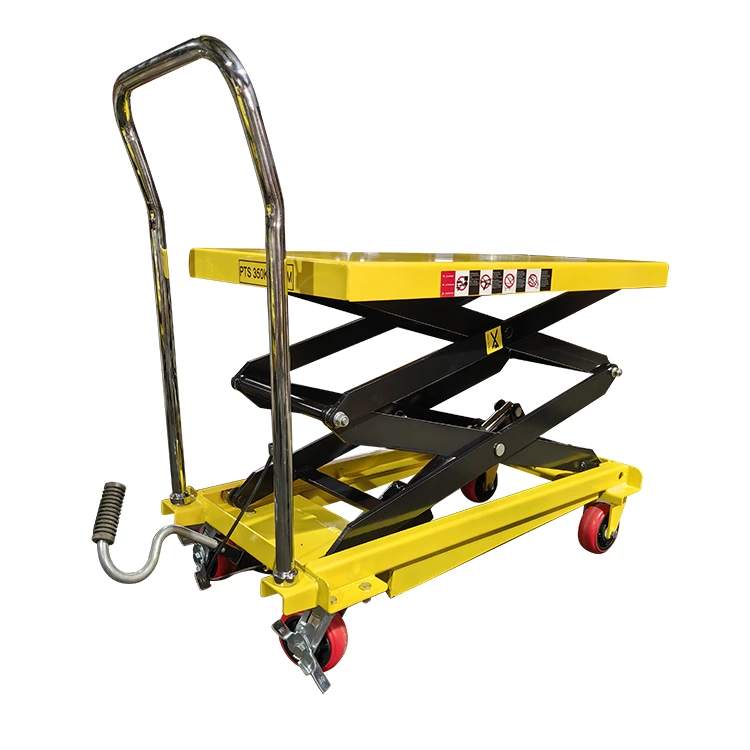
Shengyu 350kg Lifting Tables are gaining attention across warehouses, highlighting why anti-fall mechanisms are critical for safety. Warehouses today move faster than ever. From distribution centers and manufacturing plants to retail storage facilities, lifting equipment plays a vital role in keeping operations running smoothly. Yet while productivity remains a priority, workplace safety has become an equally important focus.
Industry professionals increasingly recognize that lifting performance alone is not enough. Preventing unexpected platform drops, protecting workers, and reducing product damage are now central concerns whenever lifting equipment is selected for daily operations.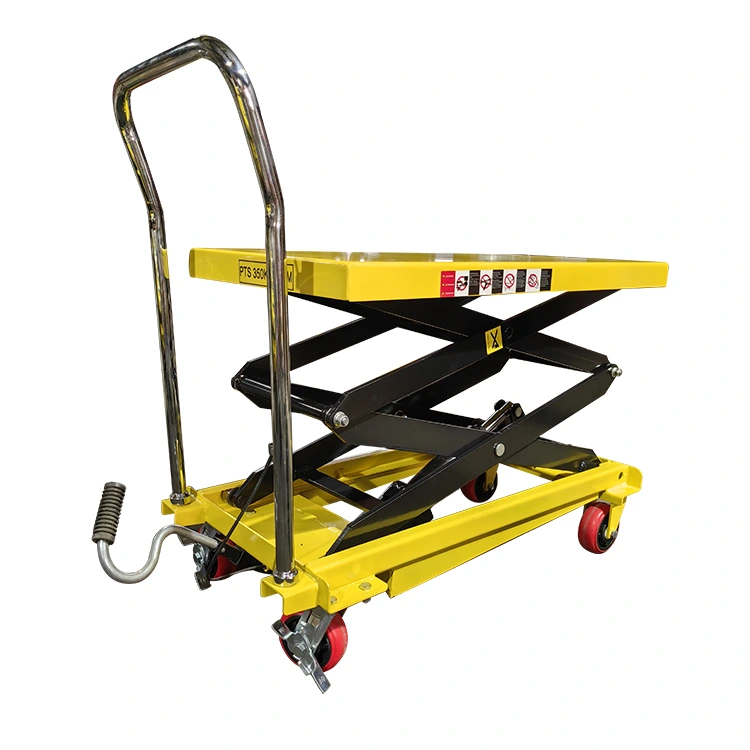
A Small Safety Feature with a Big Impact
At first glance, an anti-fall mechanism may seem like a simple addition. However, in practical working environments, it can significantly reduce operational risks.
A lifting table is often used to raise cartons, machine components, packaged goods, tools, and production materials to comfortable working heights. During lifting operations, sudden hydraulic failure, accidental impact, improper loading, or component wear may create safety concerns if adequate protection is not in place.
Anti-fall designs act as an additional safeguard by helping prevent rapid platform descent when unexpected situations occur.
For warehouse supervisors, this feature of 350kg Lifting Table offers something extremely valuable: peace of mind.
Common Risks Without Anti-Fall Protection
Several operational challenges can arise when lifting platforms lack effective safety mechanisms:
Unexpected platform lowering
Product damage from sudden drops
Increased risk of worker injuries
Disruption of production schedules
Higher maintenance and inspection requirements
Although such incidents may not happen frequently, even one event can lead to significant downtime and unnecessary costs.
Why Warehouse Safety Standards Are Becoming Stricter
Over the past decade, many industries have placed greater emphasis on workplace safety culture. Warehouses are no exception.
Companies are investing in:
Safer material handling procedures
Employee training programs
Ergonomic workstations
Equipment with enhanced protective features
As a result, equipment selection criteria have evolved. Instead of evaluating only lifting capacity and price, operational managers often examine safety-related details such as hydraulic protection systems, stability, wheel quality, platform construction, and anti-fall functionality.
Safety Is Also a Productivity Tool
There is a common misconception that safety measures slow down operations.
In reality, safer equipment often supports higher efficiency.
When operators trust the equipment they use, they can work more confidently and focus on handling tasks rather than worrying about potential hazards.
The result is often:
Smoother workflows
Reduced interruptions
Lower accident-related downtime
Improved operational consistency
How Anti-Fall Mechanisms Work in Everyday Operations
Most anti-fall systems of 350kg Lifting Table are designed to prevent uncontrolled descent if hydraulic pressure is lost or interrupted.
Rather than allowing the platform to drop suddenly, the mechanism helps maintain stability and controls movement.
For facilities handling sensitive goods, this protection becomes especially important.
Imagine lifting:
Electronic components
Precision mechanical parts
Food processing materials
Medical packaging supplies
Even a small platform drop could potentially damage products or create additional handling requirements.
Typical Warehouse Scenarios
| Operational Scenario | Potential Risk | Benefit of Anti-Fall Design |
|---|---|---|
| Loading production materials | Sudden platform movement | Improved load stability |
| Shelf replenishment | Product falling risk | Better protection for goods |
| Assembly line support | Workflow interruption | More consistent operations |
| Packaging stations | Worker safety concerns | Enhanced operator confidence |
| Temporary outdoor handling | Uneven surfaces | Increased operational security |
Why Durable Construction Still Matters
While safety mechanisms attract significant attention, durability remains essential.
A well-designed lifting table should withstand frequent use in demanding environments such as:
Factories
Warehouses
Distribution centers
Construction support areas
Agricultural operations
Shipyards and docks
Features such as steel frames, corrosion-resistant finishes, quality wheels, and impact-resistant structures help extend service life and reduce maintenance requirements.
For facilities using 350kg Lifting Tables with Shengyu Hoisting Machinery Manufacturing Co., Ltd., anti-fall protection helps minimize risk, improve workflow confidence, protect valuable goods, and support a safer working environment. As industry expectations continue to rise, equipment that combines durability, mobility, and dependable safety features will remain an important component of modern material handling operations.
Related News
- How Does the Electric Winch Perform Lifting in Confined‑Space Environments?
- How to Hoist with Simple-Steel-Frame Electric Winch?
- Can a Flexible Lifting Sling Cut by the Load's Sharp Edge Still Be Used?
- How Risky Is It Really When Chain and Load Binder Sizes Don't Match?
- What is the Function of the Rope guide for Electric Winches?
- What Scenarios Are Electric Winches Suitable For?
Leave me a message