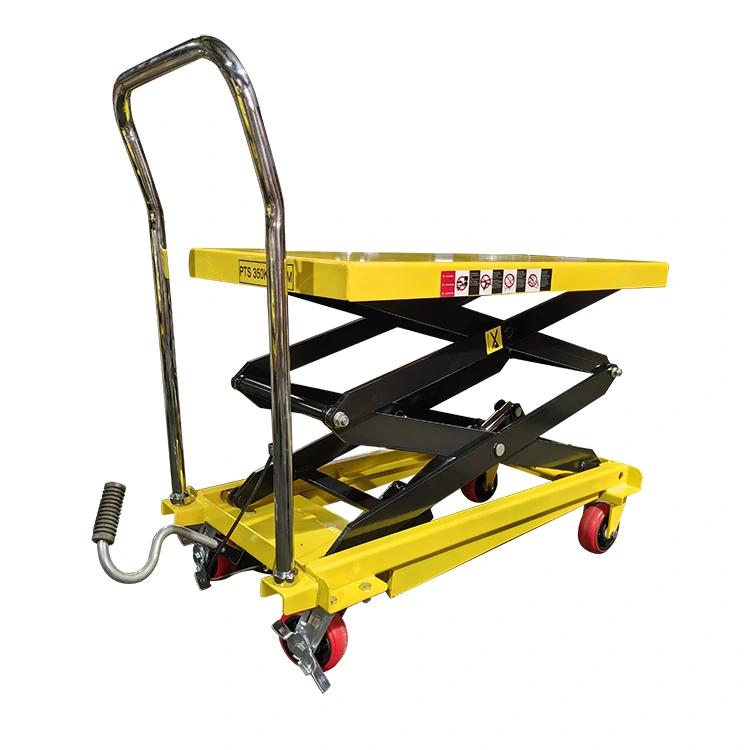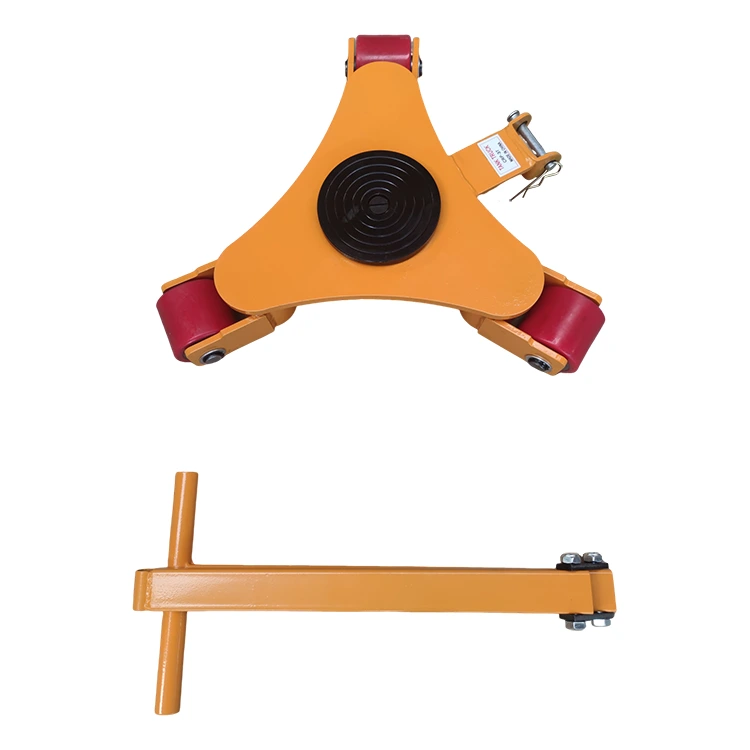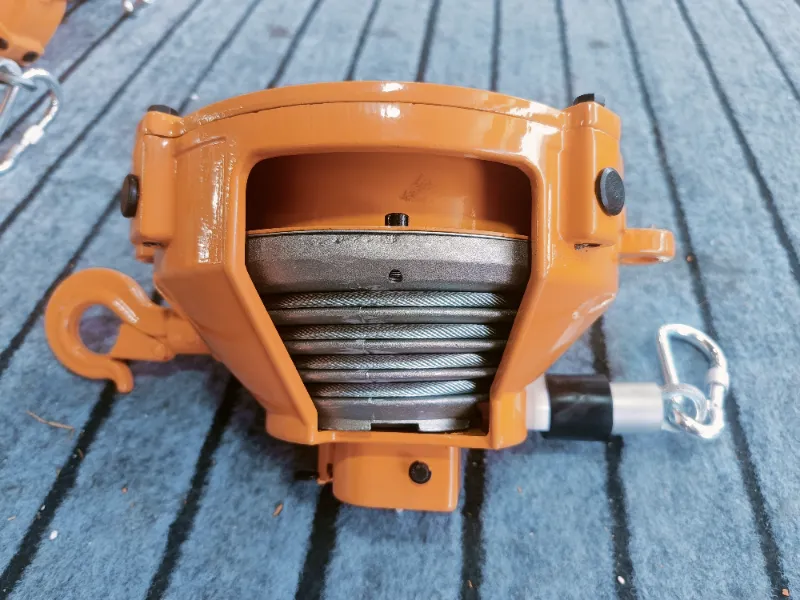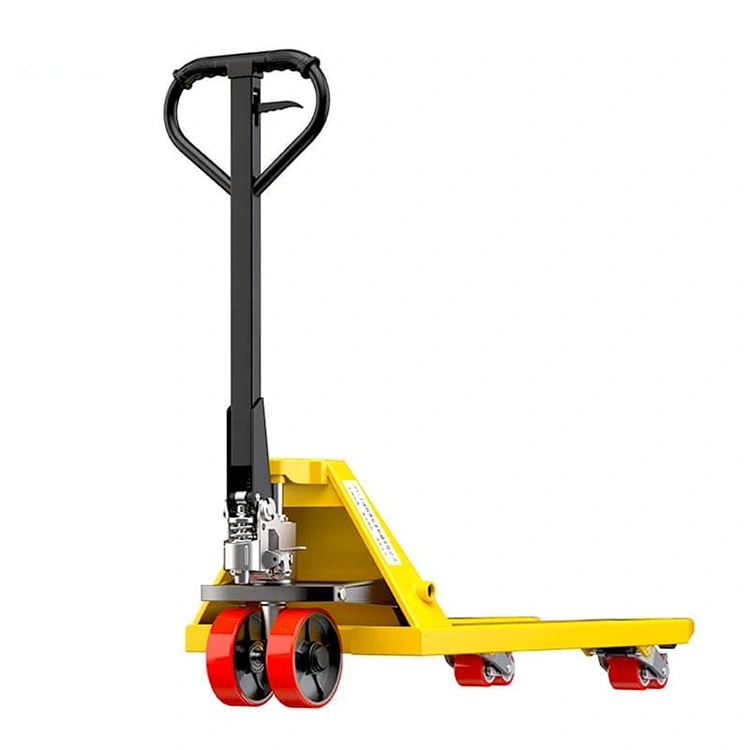

Why Is Omni-directional Cargo Trolley Transforming Modern Material Handling?
From crowded warehouses to precision manufacturing facilities, businesses are searching for safer, smarter, and more flexible transportation solutions. Omni-directional cargo trolleys have emerged as one of the most efficient innovations in industrial logistics, enabling operators to move heavy goods smoothly in multiple directions while reducing labor intensity and improving operational efficiency.

Article Summary
This comprehensive guide explores how omni-directional cargo trolleys are changing industrial transportation systems across factories, warehouses, construction projects, ports, and assembly workshops. You will learn their working principles, structural advantages, applications, safety considerations, maintenance practices, and purchasing factors. The article also explains how businesses can reduce downtime, improve workplace safety, and optimize productivity with the right cargo trolley system.
Contents
- 1. What Is an Omni-directional Cargo Trolley?
- 2. Why Are Traditional Transport Methods Becoming Less Efficient?
- 3. How Does an Omni-directional Cargo Trolley Work?
- 4. Main Features That Improve Industrial Transportation
- 5. Where Are Omni-directional Cargo Trolleys Commonly Used?
- 6. What Problems Can Businesses Solve With This Equipment?
- 7. Comparison Between Traditional Trolleys and Omni-directional Systems
- 8. Important Safety Considerations
- 9. How to Choose the Right Cargo Trolley
- 10. Maintenance Tips for Long-Term Performance
- 11. Future Trends in Material Handling Technology
- 12. Frequently Asked Questions
- 13. Conclusion
1. What Is an Omni-directional Cargo Trolley?
An omni-directional cargo trolley is a specialized industrial transport device designed to move heavy loads in multiple directions without requiring large turning spaces. Unlike traditional transport carts that can only move forward and backward, omni-directional systems allow lateral, diagonal, and rotational movement.
This flexibility is achieved through specially engineered wheels, often called omni wheels or multi-directional rollers. These wheels contain smaller rollers mounted around the wheel circumference, allowing smooth movement in virtually any direction.
Industries handling oversized machinery, steel structures, production equipment, or sensitive components increasingly rely on omni-directional cargo trolleys to streamline operations and minimize transportation risks.
| Feature | Traditional Trolley | Omni-directional Cargo Trolley |
|---|---|---|
| Movement Direction | Forward/Backward | 360° Multi-directional |
| Turning Radius | Large | Minimal |
| Space Efficiency | Limited | Excellent |
| Load Precision | Moderate | High |
2. Why Are Traditional Transport Methods Becoming Less Efficient?
Modern industrial environments are becoming increasingly compact and automated. Warehouses now store more inventory in smaller spaces, while production facilities demand greater transportation precision and faster operational flow.
Traditional transportation equipment often struggles with:
- Narrow aisle limitations
- Large turning requirements
- Difficulty transporting oversized loads
- High labor intensity
- Reduced maneuverability in confined areas
- Risk of collisions and product damage
These operational bottlenecks can slow productivity and increase operational costs. Omni-directional cargo trolleys directly address these challenges by enabling smooth, flexible, and precise movement.
3. How Does an Omni-directional Cargo Trolley Work?
The core technology behind an omni-directional cargo trolley lies in its wheel configuration. Each wheel incorporates multiple free-moving rollers positioned around the wheel circumference at specific angles.
This unique design enables:
- Sideways movement
- Diagonal transportation
- Rotational maneuvering
- Smooth directional transitions
- Reduced friction during movement
Some advanced systems also integrate hydraulic lifting systems, electric drive mechanisms, wireless controls, or synchronized steering technology for transporting extremely heavy industrial equipment.
Key Operational Benefit:
Operators can reposition heavy cargo with exceptional precision, even in limited spaces where forklifts or conventional carts cannot operate efficiently.
Operators can reposition heavy cargo with exceptional precision, even in limited spaces where forklifts or conventional carts cannot operate efficiently.
4. Main Features That Improve Industrial Transportation
Omni-directional cargo trolleys offer numerous advantages that directly improve workflow efficiency and workplace safety.
360° Mobility
Enables unrestricted movement in any direction for easier navigation in tight environments.
Heavy Load Capacity
Designed to transport machinery, steel structures, containers, and industrial components safely.
Reduced Labor Effort
Improves operational efficiency while minimizing worker fatigue and injury risks.
Improved Precision
Allows accurate positioning of sensitive or oversized equipment.
5. Where Are Omni-directional Cargo Trolleys Commonly Used?
These advanced transportation systems are now widely used across multiple industries due to their flexibility and operational efficiency.
| Industry | Typical Application |
|---|---|
| Manufacturing | Machine relocation and assembly transport |
| Warehousing | Heavy inventory movement |
| Shipbuilding | Large component handling |
| Construction | Structural material transportation |
| Energy Industry | Transformer and generator movement |
| Automotive | Production line logistics |
6. What Problems Can Businesses Solve With This Equipment?
Many industrial businesses face recurring transportation challenges that directly impact productivity and operational costs.
Omni-directional cargo trolleys help solve:
- Limited workspace movement issues
- Frequent cargo repositioning delays
- High manual labor dependency
- Equipment collision risks
- Transportation bottlenecks
- Difficulty handling oversized machinery
- Complex production line layouts
For companies handling large industrial equipment daily, these systems significantly improve workflow continuity while reducing operational disruptions.
Manufacturers such as Hebei Shengyu Hoisting Machinery Manufacturing Co., Ltd. continue developing high-performance cargo handling solutions to meet increasingly demanding industrial logistics requirements.
7. Comparison Between Traditional Trolleys and Omni-directional Systems
Choosing the right transportation equipment requires understanding operational differences.
| Factor | Traditional Cargo Trolley | Omni-directional Cargo Trolley |
|---|---|---|
| Maneuverability | Limited | Excellent |
| Precision Positioning | Average | Very High |
| Suitable for Tight Spaces | No | Yes |
| Operational Flexibility | Basic | Advanced |
| Work Efficiency | Moderate | High |
8. Important Safety Considerations
Safety should always remain the highest priority when transporting heavy cargo.
Best practices include:
- Regular wheel inspections
- Proper load balancing
- Avoiding overload conditions
- Maintaining clean movement surfaces
- Using trained operators
- Checking hydraulic and steering systems regularly
- Monitoring floor load capacity
Proper maintenance and operator training greatly reduce the risk of workplace accidents and equipment damage.
Safety Reminder:
Never exceed the rated load capacity of the cargo trolley system. Overloading can lead to wheel damage, structural failure, or severe workplace accidents.
Never exceed the rated load capacity of the cargo trolley system. Overloading can lead to wheel damage, structural failure, or severe workplace accidents.
9. How to Choose the Right Cargo Trolley
Selecting the correct omni-directional cargo trolley depends on several operational factors.
Key considerations include:
Load Capacity
Determine the maximum cargo weight that needs transportation.
Floor Conditions
Evaluate floor smoothness, incline levels, and surface durability.
Movement Precision
Assess whether highly accurate positioning is necessary.
Operational Environment
Consider temperature, humidity, dust exposure, and workspace size.
Working with experienced manufacturers helps businesses identify the most suitable solution for their transportation requirements.
10. Maintenance Tips for Long-Term Performance
Routine maintenance extends equipment lifespan and ensures safe operation.
- Inspect wheels for wear and deformation
- Lubricate moving components regularly
- Check hydraulic systems for leakage
- Tighten bolts and structural fasteners
- Clean debris from wheel rollers
- Store equipment in dry environments
- Perform scheduled load testing
Preventive maintenance reduces unexpected downtime and protects operational continuity.
11. Future Trends in Material Handling Technology
Industrial transportation technology continues evolving rapidly. Future omni-directional cargo trolley systems are expected to include:
- AI-assisted navigation systems
- Automated guided movement
- Remote wireless control integration
- Smart load monitoring sensors
- Electric drive optimization
- Real-time safety diagnostics
- IoT connectivity for logistics management
As industries prioritize automation and operational efficiency, omni-directional transportation systems will likely become standard equipment in advanced industrial facilities.
12. Frequently Asked Questions
Can omni-directional cargo trolleys handle extremely heavy equipment?
Yes. Many industrial models are specifically engineered for transporting heavy machinery, steel structures, generators, and oversized equipment safely.
Are omni-directional trolleys suitable for narrow spaces?
Absolutely. Their multi-directional movement capability makes them ideal for confined industrial environments and crowded warehouses.
What industries benefit the most from these systems?
Manufacturing, logistics, shipbuilding, energy, construction, and automotive industries commonly use omni-directional cargo trolleys.
Do omni-directional cargo trolleys require special maintenance?
Routine inspection, lubrication, and wheel maintenance are essential to ensure optimal performance and long-term reliability.
Can these systems improve workplace safety?
Yes. Better maneuverability and reduced manual handling significantly lower the risk of workplace injuries and transportation accidents.
13. Conclusion
Omni-directional cargo trolleys are redefining industrial transportation by offering unmatched maneuverability, higher operational precision, and improved workplace efficiency. As factories, warehouses, and logistics facilities continue evolving toward smarter and more compact operations, businesses need transportation systems capable of adapting to increasingly complex environments.
By investing in advanced omni-directional cargo trolley solutions, companies can optimize heavy-load transportation, reduce operational delays, improve safety standards, and achieve greater productivity across industrial operations.
Hebei Shengyu Hoisting Machinery Manufacturing Co., Ltd. is committed to delivering reliable material handling equipment designed for demanding industrial applications. Whether you need heavy-duty transportation solutions for manufacturing plants, warehouses, construction projects, or specialized industrial environments, choosing the right equipment can dramatically improve operational performance.
Contact Us
Looking for professional omni-directional cargo trolley solutions for your industrial projects? Contact Hebei Shengyu Hoisting Machinery Manufacturing Co., Ltd. today to explore customized material handling systems designed to improve safety, efficiency, and productivity.
Related News
- How Does the Electric Winch Perform Lifting in Confined‑Space Environments?
- How to Hoist with Simple-Steel-Frame Electric Winch?
- Can a Flexible Lifting Sling Cut by the Load's Sharp Edge Still Be Used?
- How Risky Is It Really When Chain and Load Binder Sizes Don't Match?
- What is the Function of the Rope guide for Electric Winches?
- What Scenarios Are Electric Winches Suitable For?
Leave me a message