

G80 Chain Sling
For demanding lifting applications across heavy industry, the G80 Chain Sling stands as a reliable and robust solution. Engineered for maximum safety and durability, this sling is the go-to choice for professionals handling heavy loads in manufacturing, construction, automotive, and shipping sectors. As a premium Lifting Chain Sling, it is constructed from materials specifically chosen to withstand immense stress, abrasion, and harsh environmental conditions. Its core strength lies in its composition as a High-strength Alloy Steel Chain Sling, utilizing a special alloy steel that provides an exceptional strength-to-weight ratio. This specific grade of Alloy Steel Chain Sling is heat-treated to achieve a Grade 80 (G80) classification, ensuring consistent performance and superior load-bearing capacity compared to standard chain.
The G80 Chain Sling is designed with precision and safety as the foremost priorities. Each component, from the high-tensile alloy steel chain links to the durable master links, hooks, and fittings, undergoes rigorous quality control and proof testing. This meticulous process guarantees that every G80 Chain Sling meets or exceeds international safety standards for overhead lifting. Its versatility is a key advantage, available in various configurations such as single-leg, double-leg, triple-leg, and quad-leg assemblies, with adjustable options to suit specific lifting points and load geometries. The chain's design allows for excellent flexibility and ease of handling, making it suitable for a wide range of lifting, pulling, and tie-down applications where security is non-negotiable.
Key Specifications & Features:
- Material: High-Tensile Alloy Steel, Grade 80 (G80)
- Safety Factor: 4:1 Minimum Design Factor
- Finish:
- Temperature Range: Suitable for use from -40°C to 200°C (-40°F to 400°F)
- Compliance: Meets or exceeds ASME B30.9, OSHA, and other relevant standards
- Identification: Clearly marked with Working Load Limit (WLL), grade, and manufacturer traceability
Working Load Limit (WLL) Chart
| Chain Size (inch) | Single Leg (lbs) | Double Leg (lbs) | Triple/Quad Leg (lbs) | Vertical Hitch WLL (lbs) |
|---|---|---|---|---|
| 1/4" | 3,250 | 5,200 | 7,800 | 6,500 |
| 3/8" | 7,100 | 11,400 | 17,100 | 14,250 |
| 1/2" | 13,000 | 20,800 | 31,200 | 26,000 |
| 5/8" | 20,000 | 32,000 | 48,000 | 40,000 |
| 3/4" | 28,500 | 45,600 | 68,400 | 57,000 |
Note: Working Load Limits are based on a vertical lift. WLL decreases based on sling angle. Always consult load angle factors and use appropriate rigging practices.
Related Products


Hot Products
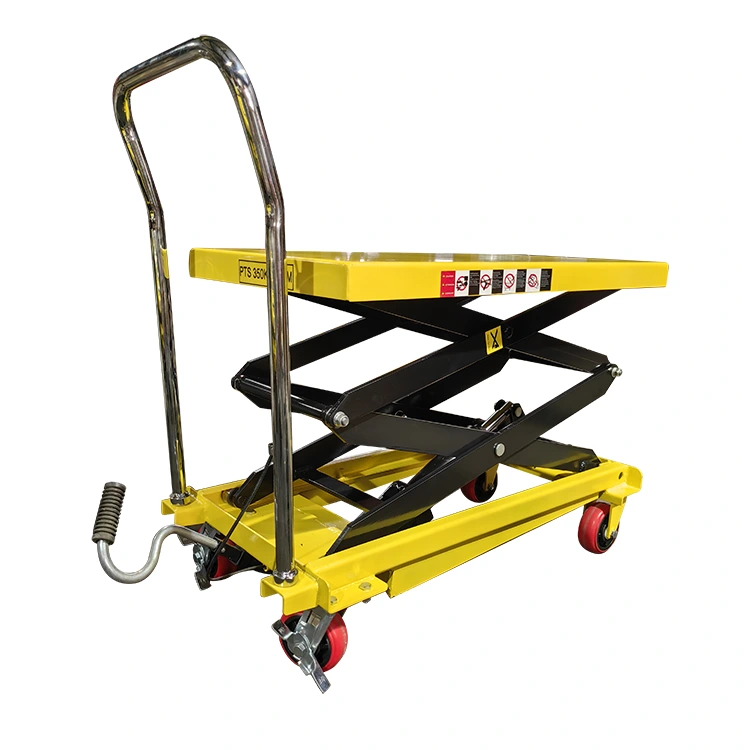
350kg Lifting Table with Foldable Handle
Shengyu factory's 350kg Lifting Table with Foldable Handle is a reliable choice for buyers. Designed for workshops, warehouses, and maintenance operations, it combines a 350kg load capacity, portable structure, and foldable handle design to help workers lift and move materials more efficiently without relying on electric power.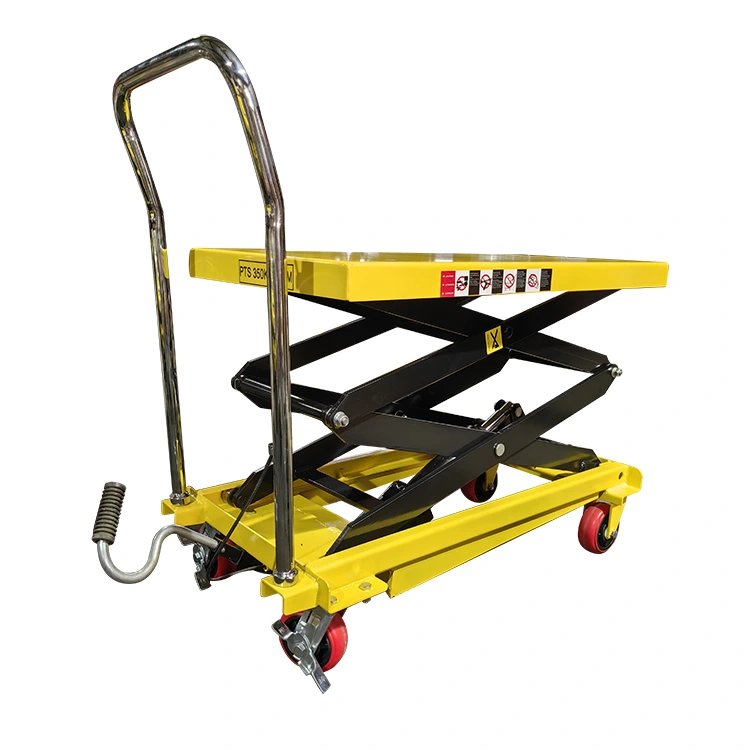
350kg Lifting Table for Shipyards
Built for ship repair and maintenance environments, Shengyu offers durable 350kg Lifting Table for Shipyards for buyers. It enables shipyard workers to raise, transfer, and position tools, spare parts, and maintenance components smoothly in confined work areas where mobility and precise handling are essential. Contact us!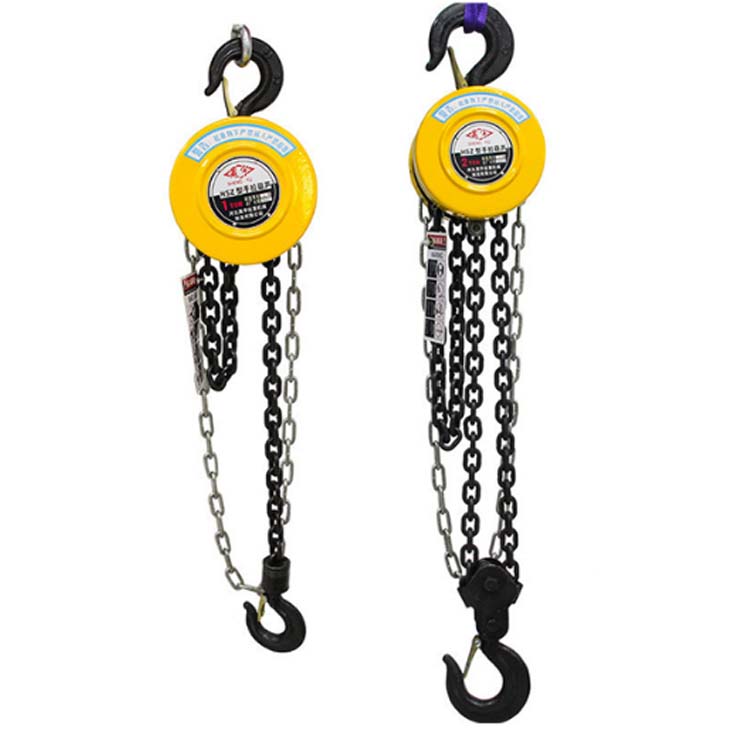
HSZ 30T Chain Hoist
The HSZ 30T chain hoist is a professional-grade lifting solution manufactured by Hebei Shengyu with over 10 years of expertise. Designed for heavy-duty applications in mining and warehousing, this 30-ton hoist features a high-strength G80 load chain and a dual-pawl self-locking system. For guaranteed safety, every unit is factory-tested at 1.25x its rated capacity (37.5 tons), ensuring reliable performance under extreme industrial loads.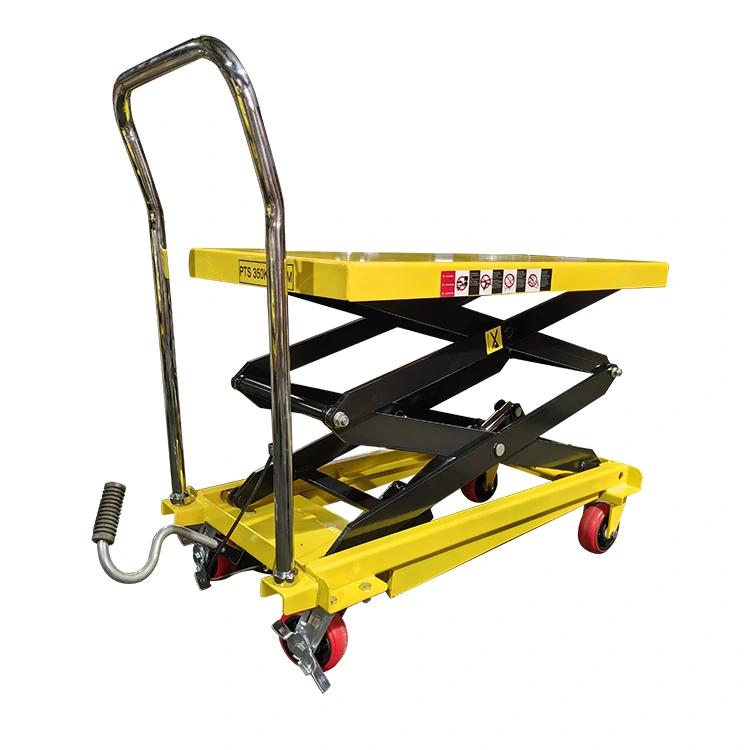
350kg Lifting Table for Warehouses
Shengyu durable 350kg Lifting Table for Warehouses can help operators handle goods more efficiently during picking, transfer, and shelf-side operations. It combines manual hydraulic lifting, mobile movement, and a compact structure to support flexible material handling in limited warehouse spaces. It is designed for modern storage and logistics environments, contact us!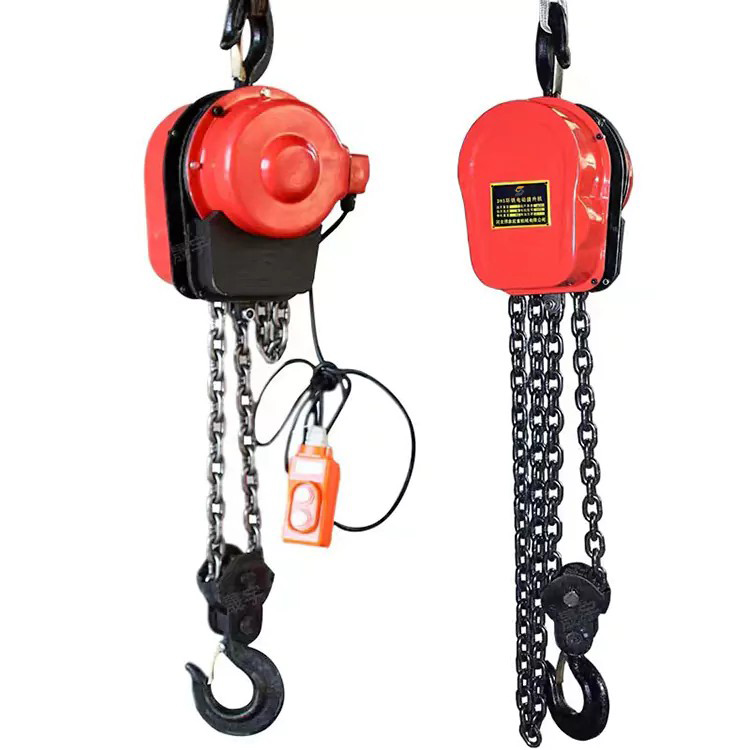
DHS Electric Chain Hoist
The high quality DHS electric chain hoist is a slow-moving, smooth-running chain hoist powered by a disc brake motor and compact in size. Shengyu factories adhere to strict quality inspection standards, conducting pre-shipment product testing to ensure qualified products are shipped.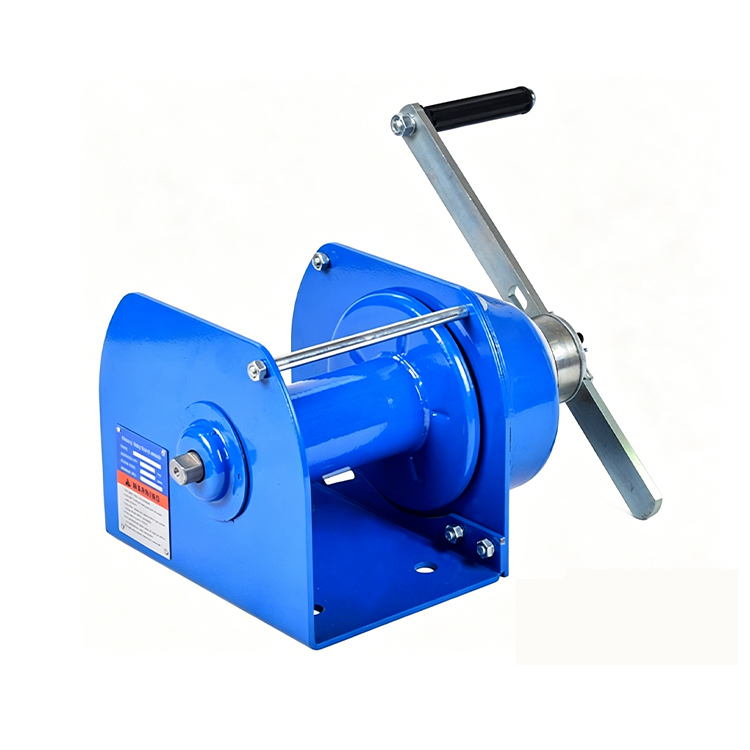
Heavy Duty Self Locking Hand Winch
Hebei Shengyu, as a leading supplier, aims to offer you Heavy Duty Self Locking Hand Winchs that is a efficient lifting and pulling tool.It adopts high-temperature quenched gears and alloy forging process, and is equipped with a two-way self-locking device, making it stable and reliable in operation.Equipped with anti-detachment hooks and wear-resistant steel wire ropes, it can achieve heavy object traction and hoisting without power supply, and is widely applicable to construction sites, outdoor and other scenarios, taking into account both safety and convenience.
- Related Blog
- Reviews
