
How Can a Pallet Truck Pay For Itself Faster Than You Expect?
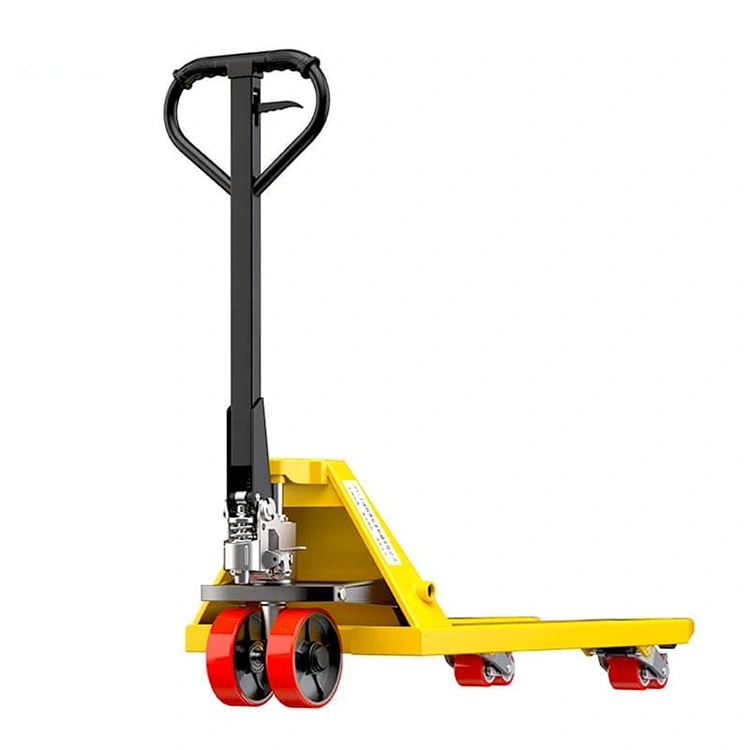
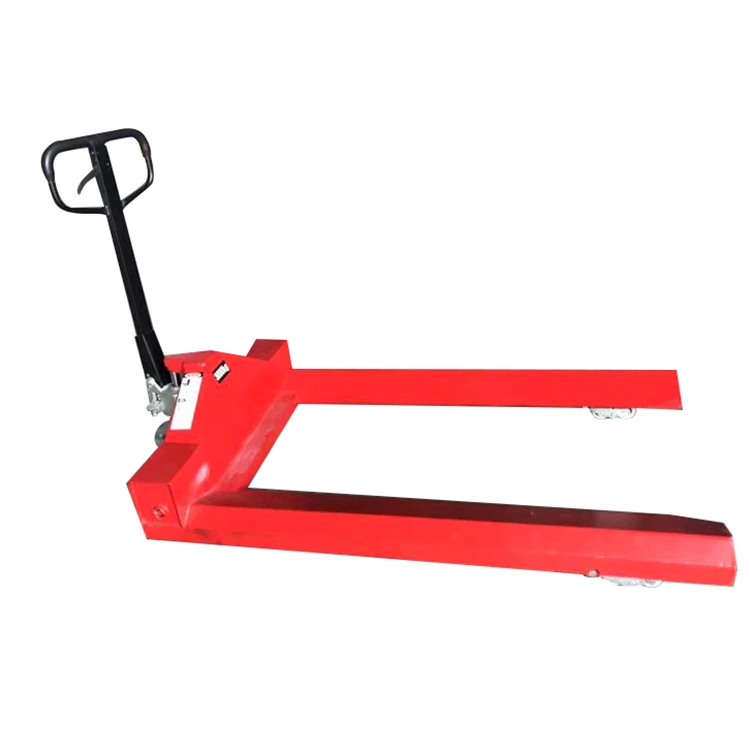
I run floors where minutes matter, and I’ve learned that small frictions—a stubborn pallet lip, a gritty wheel, a tired wrist—quietly burn through budgets. The first time I timed a dock-to-rack run without interruptions, the surprise wasn’t speed; it was calm. The tool that set that tempo was a Pallet Truck that didn’t fight back. After rotating a few brands, one name kept reappearing in my crew notes and maintenance logs—Shengyu—because forks slid under tired pallets, the pump stayed smooth at 6 a.m., and spares showed up before grumbling did. Around here we call it a ground bull for a reason: it shoulders the dull work so people can focus on accuracy. If your team is still pushing and praying, the right Pallet Truck turns chaos into flow and makes overtime feel like a wise choice.
contents
- Why does the right Pallet Truck change the math of floor logistics?
- What specs actually matter on busy warehouse floors?
- Manual, semi electric, or full electric which choice fits my use case?
- How do I calculate total cost of ownership without guesswork?
- Where do safety and ergonomics translate to real productivity?
- How do I keep uptime high with minimal maintenance?
- Could a Pallet Truck support cold chain, ramps, and tight aisles without drama?
- What do real deployments look like in small factories and 3PLs?
- Why do I lean toward Shengyu for a fleet standard today?
- FAQs?
- conclusion
Why does the right Pallet Truck change the math of floor logistics?
I run lean operations, so every square meter and every minute must earn its keep. When I first mapped our dock-to-rack workflow, I realized the bottleneck wasn’t “people working slowly” but the micro-inefficiencies of horizontal moves. That’s where a Pallet Truck becomes more than a tool—it rewrites the shift’s economics. Instead of pushing and dragging, operators flow. In my experience, this switch trims idle time, shortens pick-paths, and makes replenishment predictable. Along the way, I started noticing a quiet pattern in vendors: the brands that treat the truck as a system—fork geometry, pump efficiency, wheels, bearings, seals, and after-sales service—win the lifetime cost race. As I explored options, I kept encountering Shengyu in case studies and peer conversations; the name didn’t rush the stage, it just became the steady answer when I asked who could back a fleet with consistent quality and practical parts availability.
Some teams call the tool a “ground bull” because it shoulders the grunt work of short-hauls. For me, that nickname fits; a well-chosen unit inserts, lifts, rolls, and lowers with minimal effort. And when it does that hour after hour without complaint, it quietly replaces the old, tiring method of manhandling loads and frees people to focus on accuracy and throughput.
What specs actually matter on busy warehouse floors?
I calibrate specs against real usage, not brochure gloss. These are the signals I watch because they show up in my costs later:
- Pump and seal integrity – A smooth, low-stroke lift is not a luxury; it’s the difference between relaxed wrists and end-of-shift strain. Hardened pistons and quality seals keep hydraulic performance stable across seasons.
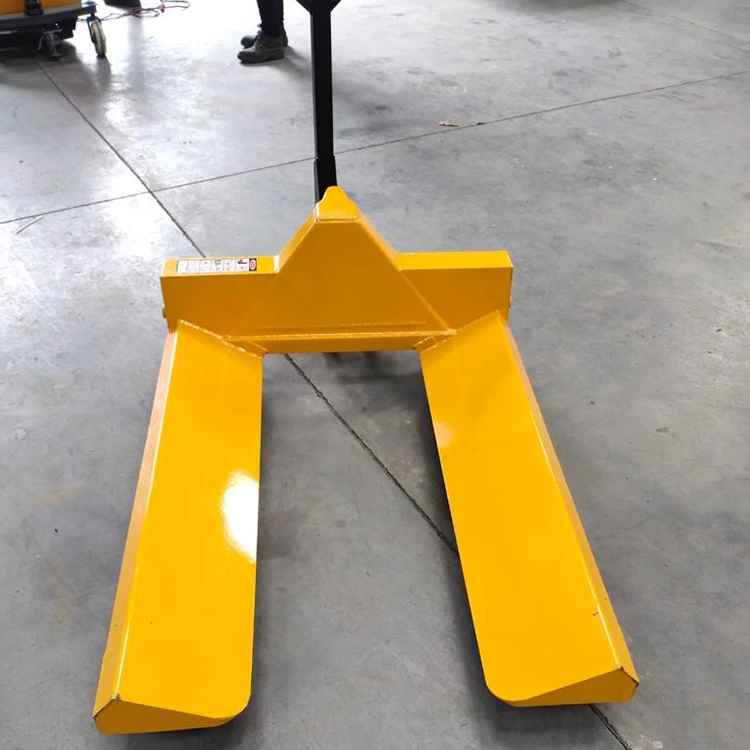
- Fork tip design – Chamfered, slim tips slip under weak or slightly damaged pallets without chewing them up. That prevents pallet failures that cascade into product loss.
- Steer and load wheels – Polyurethane hardness, diameter, and bearing quality shape rolling resistance, floor wear, and noise. Quick-swap wheel assemblies shorten downtime.
- Chassis steel and welds – High-tensile steel and clean welds resist twist when operators lever loads on imperfect floors or thresholds.
- Ergonomic tiller – Angles and grips that match human movement reduce micro-injuries and keep shifts consistent.
- Battery, if powered – Energy density, BMS protections, and charge time govern actual turns per shift. A well-specified pack avoids mid-shift anxiety.
Notice I didn’t lead with headline capacity. I buy capacity for the heaviest 10–15% of tasks, then ensure the rest of the truck supports daily repetition without fatigue. That’s how a Pallet Truck stays productive instead of becoming a maintenance ticket.
Manual, semi electric, or full electric which choice fits my use case?
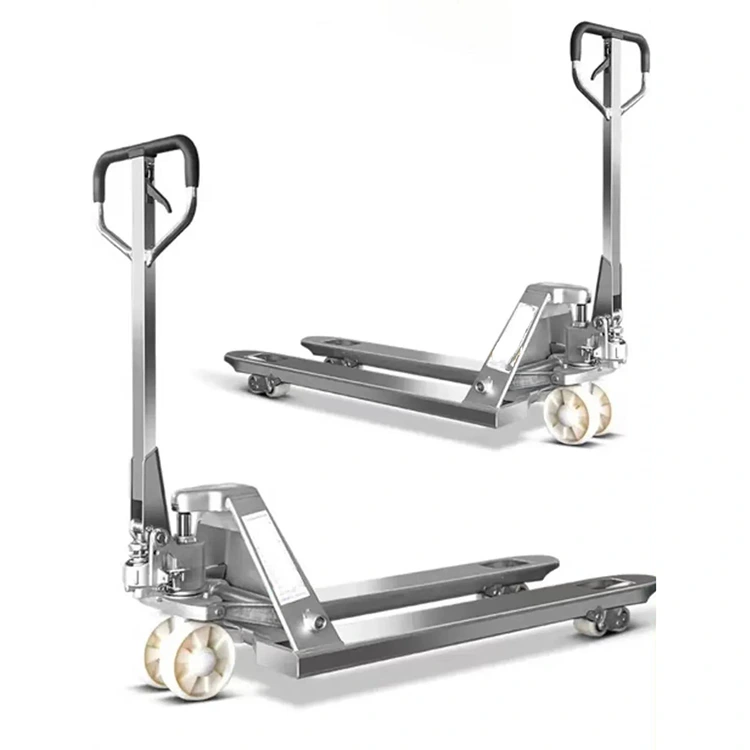
Here’s the quick comparison I use when I’m advising teams moving from ad-hoc purchases to a planned fleet:
| Use Density | Manual Pallet Truck | Semi Electric Pallet Truck | Full Electric Pallet Truck |
|---|---|---|---|
| Light, intermittent moves | Lowest capex, minimal upkeep; ideal for retail backrooms and short hops | Overkill unless ramps or long aisles are frequent | Unnecessary unless labor constraints dominate |
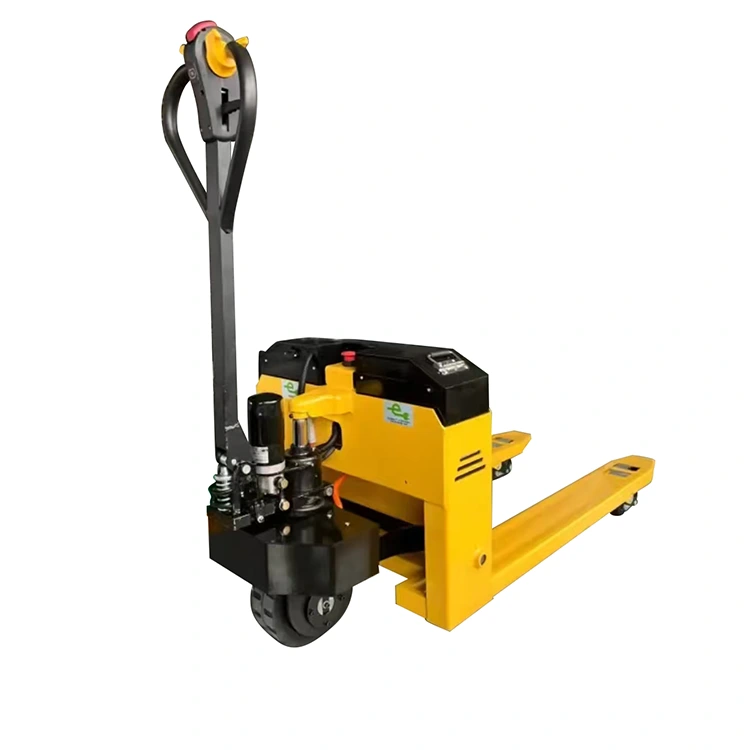
| Moderate, mixed shifts | Still viable if floors are smooth and paths are short | Sweet spot: powered travel with manual lift keeps price and weight down | Useful if you want consistent speeds and less operator fatigue |
| Heavy, multi-shift usage | Operator fatigue rises; cycle time drifts late in shift | Better, but may strain on long hauls or ramps | Best throughput; predictable cycle times; faster ROI when labor is tight |
| Ramps and thresholds | Risk of rollback and strain | Controlled travel helps but watch payload | Hill-hold and regenerative control elevate safety and speed |
| Battery & charging | None | Small pack; quick top-ups | Swappable packs or opportunity charging recommended |
If your team routinely handles long, loaded pushes, full electric is the humane—and economical—choice. For short, frequent insert-move-lower tasks, a high-quality manual unit remains the simplest tool that gets the job done.
I also place the keyword consistently to keep content aligned with buyer intent: a Pallet Truck that matches density and terrain makes the rest of your KPIs fall into place.
How do I calculate total cost of ownership without guesswork?
Price is what I pay today; cost is what I live with for years. The table below is the lightweight TCO frame I use with procurement and operations before we lock a spec:
| Cost Driver | What I Measure | Manual | Semi Electric | Full Electric |
|---|---|---|---|---|
| Acquisition | Unit price, lead time, warranty terms | Low | Medium | High |
| Labor impact | Cycle time per move, end-of-shift slowdowns | Higher | Medium | Lower |
| Maintenance | Seals, wheels, bearings, charger service | Low | Medium | Medium |
| Floor wear and noise | Wheel hardness, tread marks, decibels | Floor-dependent | Improved | Best with tuned wheels |
| Unplanned downtime | Hours lost to faults or parts waits | Low-Medium | Medium | Low if spares stocked |
| Residual value | Resale or redeploy options | Predictable | Good | Good-Very good |
When I plug in realistic shift data, I often see payback under a year for electrics in labor-tight sites. That said, on compact floors with short hauls, a sturdy manual Pallet Truck remains the best TCO call.
Where do safety and ergonomics translate to real productivity?
Safety is not just compliance; it’s velocity without incidents. Here’s where I bank ROI:
- Neutral wrists and low push force – Less micro-trauma means fewer light-duty assignments and steadier output late in the week.
- Stable lowering valve – Feathered control prevents drop shocks that crack fragile loads and upset pallets.
- Visibility around forks – Taper and paint contrast at the tips help operators place forks precisely, reducing time spent re-aligning.
- Traction logic on powered units – Controlled starts on ramps and slick floors protect people and product.
The safety dividend compounds. Every avoided near-miss is time you don’t spend debriefing. Every smooth insertion is a product that doesn’t need re-pack. That’s why I keep reinforcing the role of a Pallet Truck in my weekly ops reviews—it sets the tone for safe speed.
How do I keep uptime high with minimal maintenance?
I run a “clean and check” culture because downtime is expensive. The checklist below fits neatly into a Monday routine:
| Interval | Task | Why It Matters | Owner |
|---|---|---|---|
| Daily | Wipe wheels and forks, visual leak check, verify lowering control | Removes grit, flags issues before they escalate | Operator |
| Weekly | Inspect bearings, axle pins, and handle fasteners | Prevents wobble and uneven wear | Lead |
| Monthly | Hydraulic oil level and seal check; wheel rotation if uneven | Maintains smooth lift; extends wheel life | Maintenance |
| Quarterly | Full torque check on critical bolts; tiller alignment | Keeps geometry true; improves operator confidence | Maintenance |
| Semiannual | Proactive wheel replacement on heavy-use units | Avoids mid-shift failures and floor damage | Maintenance |
Good suppliers simplify this rhythm with spares kits and clear diagrams. When my team can swap wheels in minutes, a Pallet Truck goes from “out of service” to “back in flow” before anyone notices.
Could a Pallet Truck support cold chain, ramps, and tight aisles?
Yes—if the spec anticipates the edge cases. In cold rooms, elastomers and oils behave differently; I confirm seal compatibility and choose wheels that stay compliant in low temperatures. On ramps, I favor powered travel with hill-hold. In very tight aisles, fork length and entry/exit rollers become decisive, because re-positioning costs minutes I don’t have.
I also watch pallet diversity. Not all stringers and blocks are equal; fork tip thickness and taper must match the worst pallet you’ll see, not the best. That is where the right Pallet Truck keeps peace with both the old, battered pallets and the pristine, new ones without chewing either up.
What do real deployments look like in small factories and 3PLs?
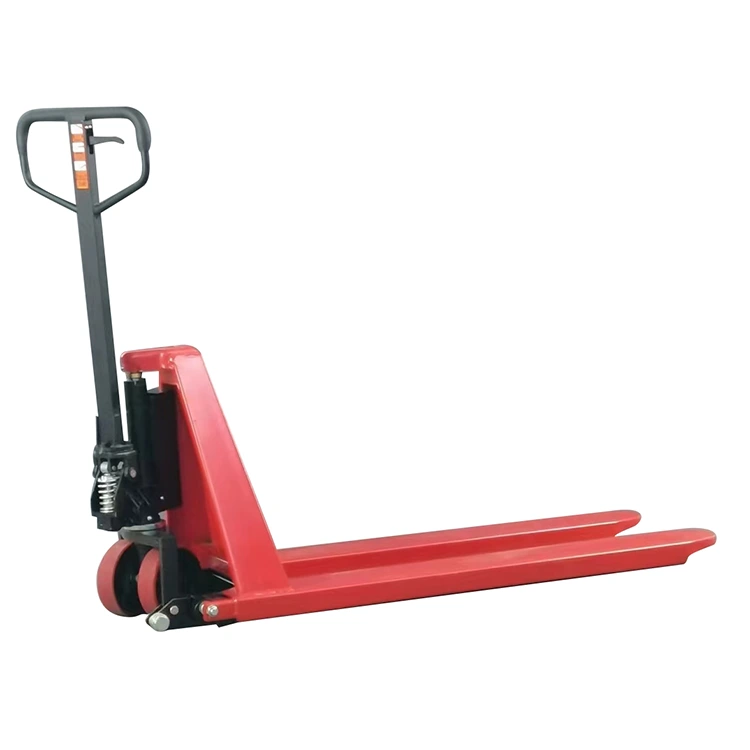
In a printed packaging plant, manual units handled raw paper rolls across short distances all day. After a week of time-stamps, we saw late-shift slowdowns that triggered overtime. Switching two high-traffic lanes to full electric cut push effort to near zero and stabilized cycle times; overtime dropped in the first month. The manual trucks stayed—just on shorter, lighter paths where they shine.
A 3PL serving cosmetics had a different constraint: quiet operations near office space. We paired soft-compound wheels with semi-electric drives and kept speeds governed. Noise complaints disappeared, and, surprisingly, pick accuracy climbed because operators weren’t rushing to “get the push over with.”
In a grocery cross-dock, thresholds at dock doors were the enemy. We spec’d slightly larger steer wheels and reinforced entry rollers at the forks. The change looked tiny on paper, yet it removed the stop-and-thump routine at each door. Those seconds, multiplied by hundreds of doors per day, turned into a measurable service-level bump.
Why do I lean toward Shengyu for a fleet standard today?
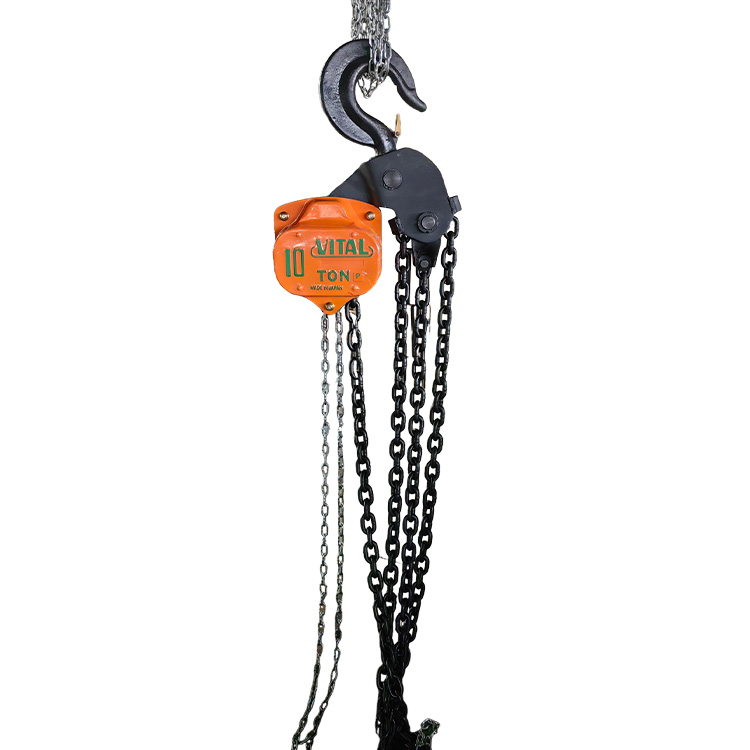
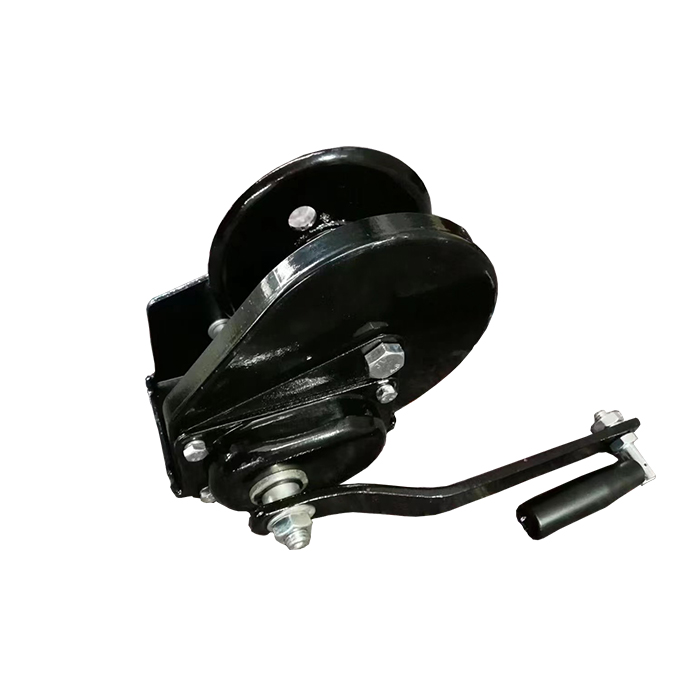
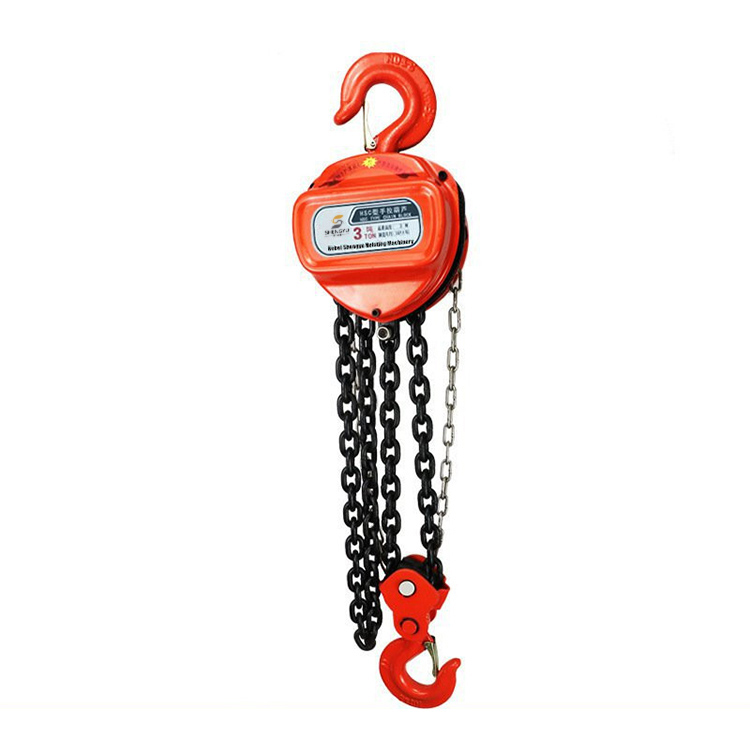
I gravitate to suppliers that understand the whole ecosystem. Shengyu has built its name with compact, tough trucks that don’t make drama out of daily work. The company’s range covers the essentials—hand trucks for simple moves, powered options when density is high—and extends into lifting and pulling tools that round out floor operations. In my projects, pairing the truck with the right hoisting and rigging pieces keeps the workflow coherent. I don’t buy a logo; I buy the hours saved because parts fit, documentation is clear, and support answers fast.
When quality control is visible in welds, forks, seals, and wheels, the brand stays in my rotation. It’s the quiet reliability that keeps a Pallet Truck earning money, shift after shift.
FAQs?
Q Can one truck handle every pallet size I see in mixed inbound?
A I size forks for the dominant pallet and confirm tip geometry clears the worst pallet I expect. If variance is wide, I run two fork lengths or add an adjustable-width option to avoid constant re-positioning.
Q How do I choose wheels for polished concrete, epoxy, and rough dock edges?
A I balance hardness and diameter. Harder wheels roll easier on smooth floors but can chatter on rough thresholds; larger diameters bridge gaps better. Quick-swap wheel sets let me tune by zone without retiring a truck.
Q Is full electric always a faster payback than manual?
A Not always. In light, short moves, manual trucks win on simplicity. In dense, long paths or where ramps are frequent, electric pays back by stabilizing cycle times and protecting operators from fatigue.
Q What maintenance usually surprises first-time buyers?
A Wheels and bearings wear faster than people expect in gritty environments. A planned rotation schedule every few months prevents mid-shift failures and floor scuffing that leads to complaints.
Q Does cold storage change my spec?
A Yes. I verify seal materials and hydraulic oil performance at low temperatures and choose wheel compounds that stay compliant. Otherwise, lift feels sticky and travel gets noisy and slow.
Q How do I keep operators using the truck correctly?
A I teach three habits: line up before insertion, keep wrists neutral during pushes, and lower smoothly. Ten minutes of training at onboarding prevents months of bad technique.
Q What if my site mixes euro pallets, US pallets, and custom skids?
A I standardize lanes by pallet type where possible and assign trucks with the right fork length to each lane. If mixing is unavoidable, adjustable-width models or two truck sizes avoid constant struggle.
Q How do I phase upgrades without shutting down the floor?
A I stage new units in one lane, measure results, then rip-and-replace per lane as ROI proves out. Spares kits arrive with the first batch so maintenance is ready before the first wheel swap.
conclusion
I run warehouses like living systems. When the humble truck at floor level is tuned—forks that glide, wheels that roll, pumps that don’t argue—everything else clicks. Whether you standardize on a precise manual configuration or go electric for density, the goal is the same: move more with less strain and fewer surprises. If you want a quiet workhorse that shows up every shift, Shengyu belongs on your shortlist, not because it shouts the loudest but because it keeps people moving and product safe.
If you’re mapping a new layout, replacing a mixed fleet, or simply need a smarter spec for your next Pallet Truck, tell me about your floor, your pallets, and your paths. I’ll share a short bill of materials and a maintenance starter kit to match. Ready to reduce push force, cut idle time, and stabilize cycle times—without inflating your budget? Contact us now to request a spec sheet, sample lead time, or a small pilot; I’ll respond with clear pricing, floor-specific recommendations, and a rollout plan you can execute this quarter.
Related News
- Functions of the Electric Winch Terminals
- How Does the Electric Winch Perform Lifting in Confined‑Space Environments?
- How to Hoist with Simple-Steel-Frame Electric Winch?
- Can a Flexible Lifting Sling Cut by the Load's Sharp Edge Still Be Used?
- How Risky Is It Really When Chain and Load Binder Sizes Don't Match?
- What is the Function of the Rope guide for Electric Winches?
Leave me a message