
What Is a Lifting Clamp and How to Choose the Best Plate Lifting Clamp for Safe and Efficient Material Handling
Lifting clamps are essential tools in modern industrial lifting and material handling operations. From steel fabrication workshops to construction sites and shipyards, selecting the correct lifting clamp ensures operational safety, efficiency, and compliance with industry standards. This comprehensive guide explains what a lifting clamp is, the different types available, how to choose the right one, safety considerations, maintenance guidelines, and industry applications. Whether you are handling steel plates, structural beams, or cylindrical objects, understanding the right lifting clamp solution can significantly improve workplace productivity and reduce risks.
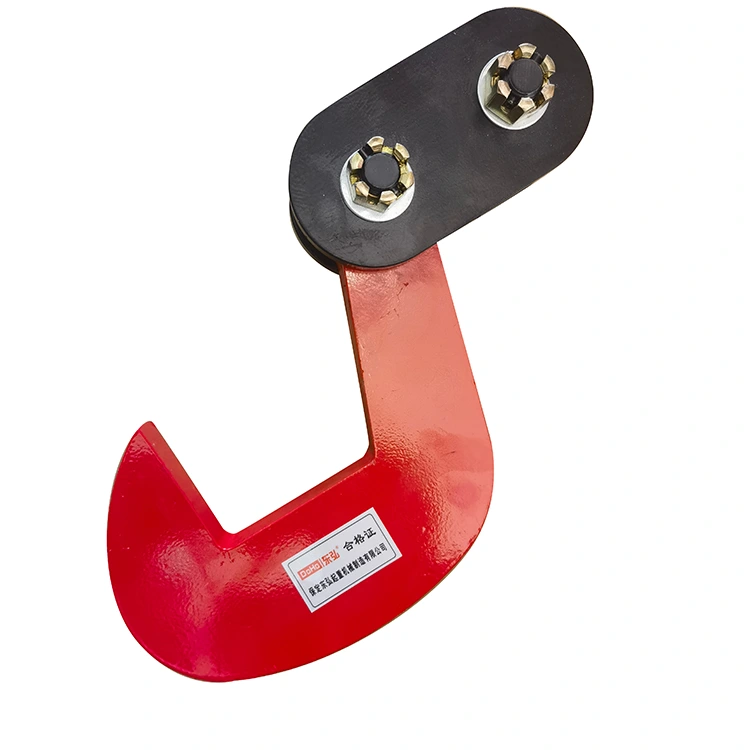
Table of Contents
- 1. What Is a Lifting Clamp?
- 2. What Are the Main Types of Lifting Clamps?
- 3. How Does a Plate Lifting Clamp Work?
- 4. How to Choose the Right Lifting Clamp?
- 5. Key Safety Standards and Compliance
- 6. Industrial Applications of Lifting Clamps
- 7. Maintenance and Inspection Guidelines
- 8. Why Choose Shengyu Lifting Clamp Solutions?
- 9. Frequently Asked Questions (FAQ)
1. What Is a Lifting Clamp?
A lifting clamp is a mechanical device designed to grip, lift, and transport heavy materials safely and securely. Commonly used in conjunction with cranes, hoists, and rigging systems, lifting clamps are widely applied in steel processing, manufacturing, construction, and logistics industries.
Unlike slings or chains that wrap around loads, lifting clamps directly grip the material. This provides improved load stability, reduces setup time, and enhances operational precision.
Main Functions:
- Secure gripping of steel plates and structural components
- Vertical and horizontal lifting
- Rotation and turning of heavy materials
- Improved workplace safety and productivity
2. What Are the Main Types of Lifting Clamps?
Different applications require different clamp designs. Below is a comparison table of common lifting clamp types:
| Type | Application | Lifting Direction | Typical Use Case |
|---|---|---|---|
| Vertical Plate Lifting Clamp | Steel plates | Vertical | Steel fabrication workshops |
| Horizontal Lifting Clamp | Thin plates | Horizontal | Sheet metal transport |
| Beam Lifting Clamp | I-beams, H-beams | Vertical | Construction sites |
| Drum Lifting Clamp | Oil drums | Vertical | Warehousing |
| Heavy Duty Lifting Clamp | Thick steel plates | Multi-directional | Shipbuilding & heavy industry |
3. How Does a Plate Lifting Clamp Work?
A plate lifting clamp operates using a cam or jaw mechanism that increases gripping force proportionally with the applied load. When the crane lifts, the internal cam rotates and tightens its grip on the material.
Working Principle:
- The clamp jaw is positioned over the plate edge.
- Load is applied via crane or hoist.
- The cam mechanism tightens automatically.
- Load remains secure until safely lowered.
This self-locking mechanism ensures enhanced safety during vertical lifting operations.
4. How to Choose the Right Lifting Clamp?
Selecting the correct lifting clamp requires careful evaluation of multiple factors:
1. Load Capacity (WLL - Working Load Limit)
Always choose a clamp rated higher than your maximum expected load.
2. Plate Thickness Range
Ensure compatibility with material thickness specifications.
3. Lifting Orientation
- Vertical lifting
- Horizontal lifting
- Turning or rotating
4. Surface Condition
Consider whether the plate surface is clean, painted, or oily.
5. Compliance Standards
Choose clamps manufactured according to international standards such as EN 13155 or ASME guidelines.
For detailed product specifications, refer to professional manufacturers like Shengyu lifting clamp solutions.
5. Key Safety Standards and Compliance
- EN 13155 – European standard for non-fixed load lifting attachments
- ASME B30.20 – Below-the-hook lifting devices
- ISO 9001 – Quality management systems
Proper certification ensures structural integrity, load stability, and risk reduction.
6. Industrial Applications of Lifting Clamps
Steel Fabrication
Handling steel plates, structural components, and assemblies.
Shipbuilding Industry
Transporting large marine steel sections safely.
Construction Sites
Positioning beams and metal frames.
Warehousing & Logistics
Drum and cylindrical load handling.
7. Maintenance and Inspection Guidelines
Daily Inspection Checklist:
- Check jaw wear and deformation
- Inspect cam mechanism
- Ensure safety latch function
- Verify marking and WLL labels
Periodic Maintenance:
- Lubricate moving parts
- Replace worn components
- Conduct load testing annually
8. Why Choose Shengyu Lifting Clamp Solutions?
Shengyu is a trusted manufacturer specializing in industrial lifting equipment. Their lifting clamps are engineered with high-grade alloy steel, advanced heat treatment processes, and strict quality control standards.
Advantages:
- High safety factor design
- Durable and corrosion-resistant materials
- Compliant with international standards
- Custom solutions available
By choosing Shengyu lifting clamps, businesses can improve operational efficiency while ensuring maximum workplace safety.
9. Frequently Asked Questions (FAQ)
Q1: Can one lifting clamp be used for both vertical and horizontal lifting?
No. Vertical and horizontal lifting clamps are designed differently. Always use the clamp specified for the intended orientation.
Q2: How often should lifting clamps be inspected?
Daily visual inspections and periodic professional inspections are recommended.
Q3: What is the typical safety factor?
Most industrial lifting clamps have a safety factor of 4:1 or higher.
Q4: Can lifting clamps damage plate surfaces?
Minor surface marks may occur due to gripping force, especially on painted or polished materials.
Conclusion: How Can the Right Lifting Clamp Improve Safety and Productivity?
Selecting the right lifting clamp is not just about lifting capacity—it is about ensuring safety, improving operational efficiency, and complying with international standards. From vertical plate lifting clamps to heavy-duty beam clamps, choosing the correct solution minimizes risk and maximizes productivity.
If you are looking for reliable, high-quality industrial lifting clamps tailored to your application needs, contact us today to discover how Shengyu can support your lifting operations with safe and efficient solutions.
Related News
- How Does the Electric Winch Perform Lifting in Confined‑Space Environments?
- How to Hoist with Simple-Steel-Frame Electric Winch?
- Can a Flexible Lifting Sling Cut by the Load's Sharp Edge Still Be Used?
- How Risky Is It Really When Chain and Load Binder Sizes Don't Match?
- What is the Function of the Rope guide for Electric Winches?
- What Scenarios Are Electric Winches Suitable For?
Leave me a message