
How to Choose the Right Wire Rope Sling for Your Lifting Application
Wire rope slings are one of the most trusted and widely used lifting tools in industrial rigging, construction, offshore operations, and heavy manufacturing. Choosing the right wire rope sling is not just a matter of convenience—it directly impacts safety, efficiency, and compliance with international lifting standards.
This in-depth guide explains everything you need to know about wire rope slings, including their structure, types, load capacities, inspection requirements, and application scenarios. By the end of this article, you will understand how to select the most suitable wire rope sling for your lifting needs while maximizing performance and minimizing risk.
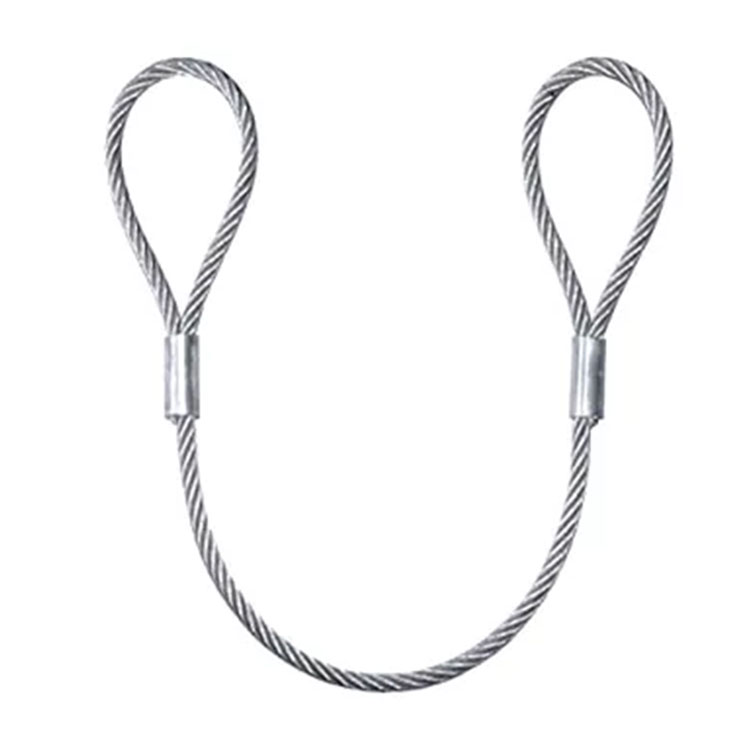
Table of Contents
- What Is a Wire Rope Sling?
- Why Wire Rope Slings Are Essential in Modern Lifting
- Main Types of Wire Rope Slings
- Key Factors to Consider When Choosing a Wire Rope Sling
- Wire Rope Sling Load Capacity Explained
- Common Applications Across Industries
- Inspection, Maintenance, and Safety Guidelines
- Wire Rope Sling vs Other Lifting Slings
- Customization and Special Requirements
- Frequently Asked Questions
1. What Is a Wire Rope Sling?
A wire rope sling is a lifting device made from steel wire ropes that are formed into a loop or fitted with end attachments such as thimbles, hooks, or master links. These slings are designed to lift, hoist, suspend, or move heavy loads safely.
Unlike synthetic or textile slings, wire rope slings offer superior resistance to abrasion, heat, and crushing forces, making them ideal for harsh industrial environments.
- Manufactured from high-strength steel wire
- Available in various constructions (6x19, 6x36, etc.)
- Compliant with international lifting standards
2. Why Wire Rope Slings Are Essential in Modern Lifting
Wire rope slings remain a cornerstone of industrial lifting due to their unmatched durability and versatility. Companies like Shengyu continue to rely on wire rope slings for critical lifting operations where safety cannot be compromised.
Key advantages include:
- High load-bearing capacity
- Excellent resistance to wear and corrosion
- Long service life under proper maintenance
- Stable performance in high-temperature environments
These qualities make wire rope slings indispensable in construction, shipbuilding, mining, and offshore energy projects.
3. Main Types of Wire Rope Slings
3.1 Single-Leg Wire Rope Sling
A single-leg sling consists of one wire rope section with end fittings. It is ideal for straightforward vertical lifts.
3.2 Multi-Leg Wire Rope Sling
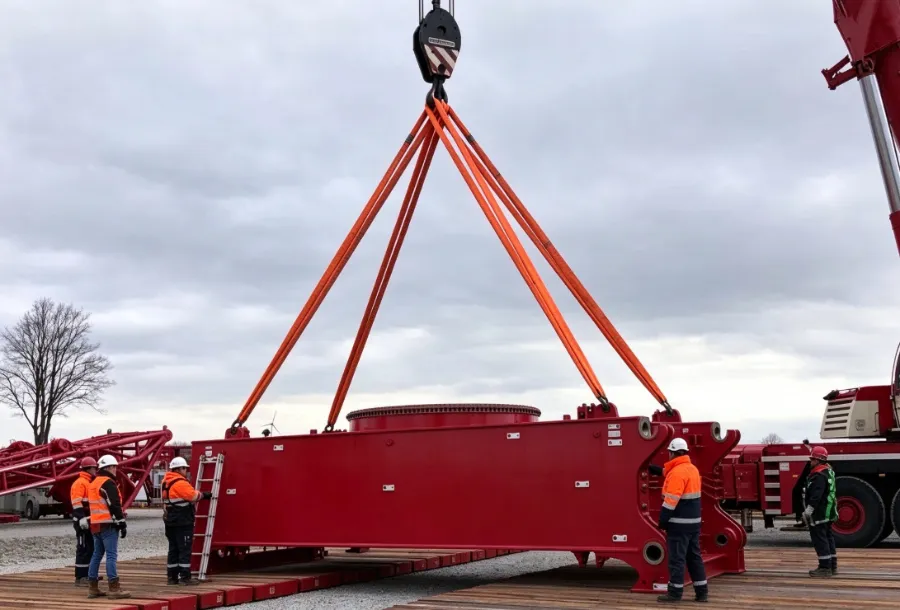
Two-leg, three-leg, or four-leg slings are used when load stability and balance are required.
3.3 Endless Wire Rope Sling
Also known as grommet slings, endless slings distribute wear evenly and offer flexibility in various lifting configurations.
| Type | Structure | Typical Use |
|---|---|---|
| Single-Leg | One rope + fittings | Vertical lifting |
| Multi-Leg | 2–4 legs | Balanced loads |
| Endless | Continuous loop | Versatile rigging |
4. Key Factors to Consider When Choosing a Wire Rope Sling
- Load Weight: Always know the actual load weight.
- Sling Angle: Smaller angles increase tension.
- Working Environment: Heat, moisture, and chemicals matter.
- Type of Load: Sharp edges may require protection.
- Regulatory Compliance: Follow ISO, EN, or ASME standards.
For detailed specifications and standards, you can refer to authoritative resources such as wire rope sling technical guides.
5. Wire Rope Sling Load Capacity Explained
The load capacity, also known as the Working Load Limit (WLL), depends on rope diameter, construction, and lifting method.
| Rope Diameter (mm) | Vertical Lift (ton) | Choker Hitch (ton) | Basket Hitch (ton) |
|---|---|---|---|
| 12 | 1.5 | 1.2 | 3.0 |
| 20 | 4.0 | 3.2 | 8.0 |
6. Common Applications Across Industries
- Construction and infrastructure projects
- Oil and gas platforms
- Shipyards and marine lifting
- Steel mills and heavy manufacturing
- Mining and quarry operations
In these industries, reliability and safety are non-negotiable—one reason why Shengyu emphasizes strict quality control in wire rope sling production.
7. Inspection, Maintenance, and Safety Guidelines
Daily Visual Inspection
- Broken wires
- Corrosion or rust
- Deformation or kinks
Periodic Inspection
Qualified personnel should conduct thorough inspections according to usage frequency and industry standards.
Proper storage—dry, clean, and away from corrosive substances—significantly extends sling life.
8. Wire Rope Sling vs Other Lifting Slings
| Type | Advantages | Limitations |
|---|---|---|
| Wire Rope Sling | Durable, heat-resistant | Heavier |
| Chain Sling | Very strong | Less flexible |
| Synthetic Sling | Lightweight | Heat-sensitive |
9. Customization and Special Requirements
Wire rope slings can be customized in terms of length, diameter, end fittings, and coating. Customized solutions are especially useful for oversized loads or complex lifting geometries.
Professional manufacturers like Shengyu offer tailored solutions to meet project-specific demands while ensuring compliance with global safety standards.
Frequently Asked Questions (FAQ)
Q1: How long does a wire rope sling last?
Service life depends on usage conditions, load frequency, and maintenance. Proper care can significantly extend lifespan.
Q2: Can wire rope slings be used in high-temperature environments?
Yes, wire rope slings perform better than synthetic slings in high-temperature conditions.
Q3: When should a wire rope sling be discarded?
When broken wires exceed allowable limits, or if severe corrosion, deformation, or damage is found.
Q4: Are wire rope slings reusable?
Yes, as long as they pass inspection and meet safety requirements.
Conclusion
Choosing the right wire rope sling is a critical decision that affects operational safety and efficiency. By understanding sling types, load limits, inspection practices, and application scenarios, you can confidently select the best solution for your lifting needs.
If you are looking for reliable, customized, and standards-compliant wire rope sling solutions, trust experienced manufacturers like Shengyu to support your projects. For expert advice, product details, or tailored lifting solutions, contact us today and let our team help you lift with confidence.
Related News
- How Does the Electric Winch Perform Lifting in Confined‑Space Environments?
- How to Hoist with Simple-Steel-Frame Electric Winch?
- Can a Flexible Lifting Sling Cut by the Load's Sharp Edge Still Be Used?
- How Risky Is It Really When Chain and Load Binder Sizes Don't Match?
- What is the Function of the Rope guide for Electric Winches?
- What Scenarios Are Electric Winches Suitable For?
Leave me a message