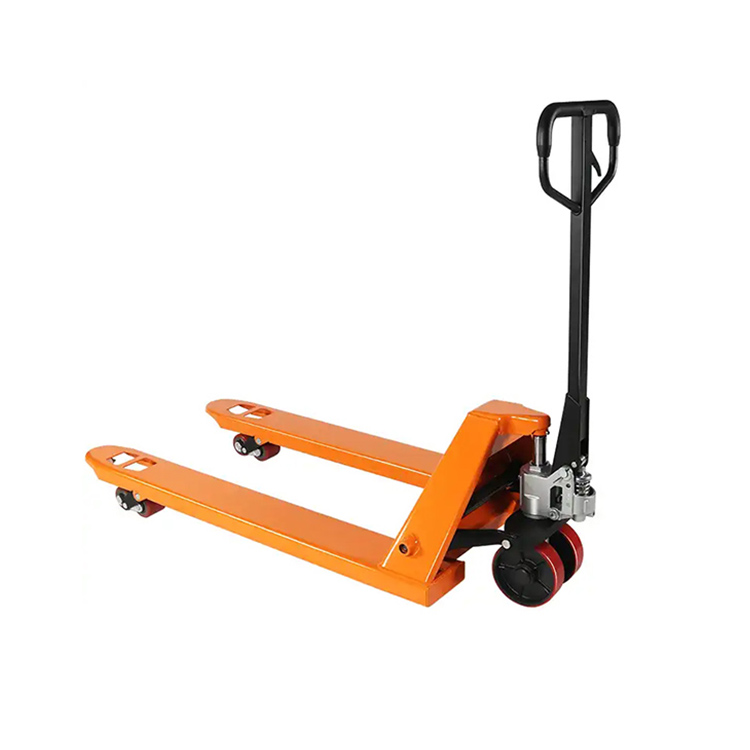

What Makes a Stainless Steel Pallet Truck Essential for Hygienic Industries
In industries where hygiene, corrosion resistance, and operational safety are non-negotiable, material handling equipment must meet exceptionally high standards. A Stainless Steel Pallet Truck has become an indispensable solution for sectors such as food processing, pharmaceuticals, chemical manufacturing, and cold storage.
This in-depth guide explores why stainless steel pallet trucks are essential for hygienic industries, how they outperform conventional pallet trucks, and what key factors buyers should consider. Backed by industry best practices and real-world applications, this article provides actionable insights for decision-makers seeking long-term value, compliance, and efficiency.
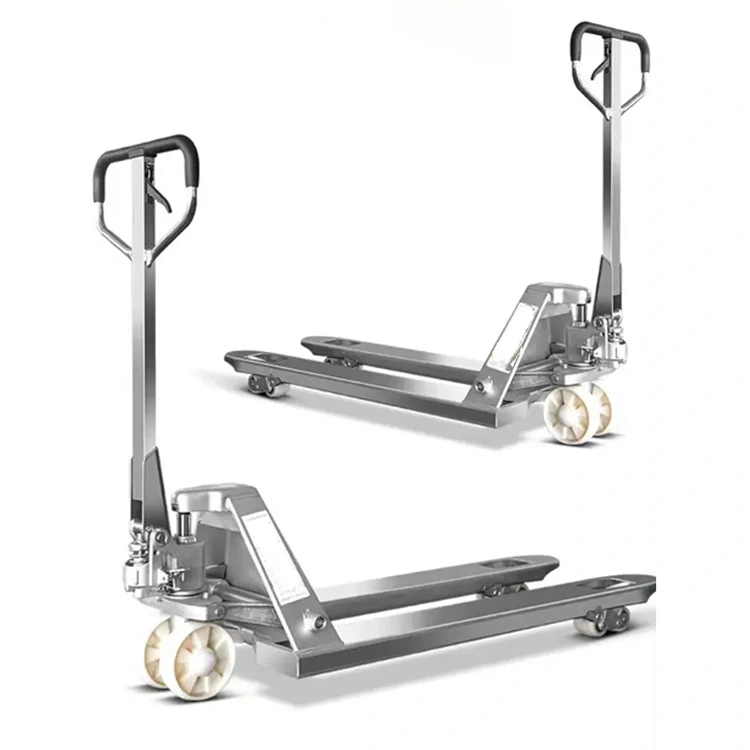
Table of Contents
- 1. What Is a Stainless Steel Pallet Truck?
- 2. Why Hygiene-Critical Industries Require Stainless Steel Equipment
- 3. Key Advantages of Stainless Steel Pallet Trucks
- 4. Stainless Steel vs Painted & Galvanized Pallet Trucks
- 5. Common Applications Across Industries
- 6. How to Choose the Right Stainless Steel Pallet Truck
- 7. Maintenance, Cleaning, and Lifecycle Benefits
- 8. Frequently Asked Questions (FAQ)
1. What Is a Stainless Steel Pallet Truck?
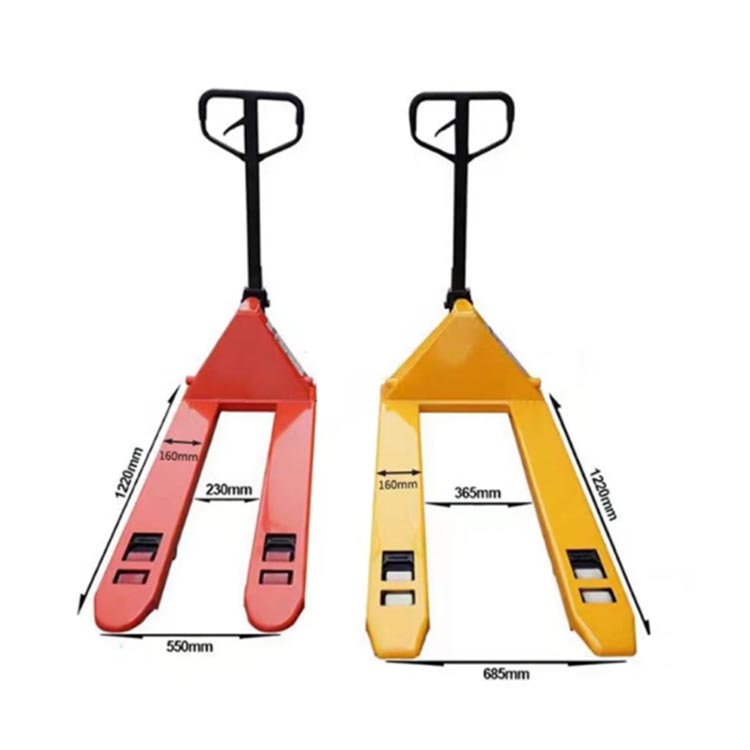
A Stainless Steel Pallet Truck (also known as a stainless steel pallet jack) is a material handling device designed to lift and transport palletized goods in environments where hygiene, moisture resistance, and corrosion prevention are critical.
Unlike standard carbon steel pallet trucks, stainless steel models are constructed using high-grade stainless steel such as AISI 304 or AISI 316, offering superior resistance to rust, chemicals, and bacterial contamination.
2. Why Hygiene-Critical Industries Require Stainless Steel Equipment
Industries governed by strict hygiene and safety regulations cannot afford contamination risks. Stainless steel pallet trucks address these challenges by meeting international standards such as FDA, GMP, and HACCP.
Key Hygiene Challenges in Industrial Environments
- Frequent washdowns with water or chemicals
- Exposure to acids, alkalis, and saline solutions
- Risk of bacterial growth in cracks or coatings
- Compliance audits and sanitation inspections
Because stainless steel is non-porous and easy to sanitize, it significantly reduces the risk of microbial buildup compared to painted or coated alternatives.
3. Key Advantages of Stainless Steel Pallet Trucks
3.1 Superior Corrosion Resistance
Stainless steel naturally forms a passive chromium oxide layer that protects against rust, even in high-humidity or wet environments.
3.2 Exceptional Hygiene Performance
Smooth surfaces and welds prevent dirt accumulation, making stainless steel pallet trucks ideal for cleanrooms and food-grade facilities.
3.3 Long-Term Cost Efficiency
Although the initial investment may be higher, stainless steel pallet trucks offer a longer service life with reduced maintenance and replacement costs.
3.4 Environmental & Temperature Resistance
- Cold storage and freezer environments
- Outdoor or marine-adjacent facilities
- High-temperature washdown zones
4. Stainless Steel vs Painted & Galvanized Pallet Trucks
| Feature | Stainless Steel | Painted Steel | Galvanized Steel |
|---|---|---|---|
| Corrosion Resistance | Excellent | Poor | Moderate |
| Hygiene Level | Very High | Low | Medium |
| Washdown Compatibility | Full | Limited | Partial |
| Lifecycle Cost | Low (Long Term) | High | Medium |
5. Common Applications Across Industries
- Food & Beverage Processing: Meat, dairy, seafood, and bakery production lines
- Pharmaceutical Manufacturing: GMP-compliant cleanrooms and labs
- Chemical Industry: Handling corrosive raw materials
- Cold Storage & Logistics: Freezers and refrigerated warehouses
- Medical & Healthcare: Sterile supply transportation
Manufacturers like Shengyu specialize in producing stainless steel pallet trucks engineered for these demanding environments.
6. How to Choose the Right Stainless Steel Pallet Truck
Key Selection Criteria
- Load capacity and fork dimensions
- Stainless steel grade (304 vs 316)
- Wheel material (nylon, polyurethane, stainless)
- Hydraulic system sealing and protection
- Compliance with industry standards
Selecting the right model ensures operational efficiency while maintaining compliance with hygiene regulations.
7. Maintenance, Cleaning, and Lifecycle Benefits
Stainless steel pallet trucks are designed for easy maintenance. Daily cleaning routines often include:
- High-pressure water wash
- Steam cleaning
- Chemical sanitation
Their resistance to corrosion and surface degradation allows them to maintain structural integrity and appearance over many years, even under aggressive cleaning protocols.
8. Frequently Asked Questions (FAQ)
Q1: Are stainless steel pallet trucks suitable for outdoor use?
Yes. Their corrosion-resistant properties make them ideal for outdoor and marine-adjacent environments.
Q2: What is the difference between 304 and 316 stainless steel pallet trucks?
316 stainless steel offers enhanced resistance to chlorides and harsh chemicals, making it suitable for more aggressive environments.
Q3: Do stainless steel pallet trucks require special maintenance?
No special maintenance is required beyond regular cleaning, which is often easier than maintaining painted equipment.
Q4: Are stainless steel pallet trucks compliant with food safety regulations?
Yes, they are widely used in facilities that follow FDA, HACCP, and GMP guidelines.
Conclusion
A Stainless Steel Pallet Truck is not just a material handling tool—it is a strategic investment for hygienic industries that demand safety, durability, and regulatory compliance. From superior corrosion resistance to long-term operational savings, stainless steel pallet trucks deliver unmatched value in challenging environments.
If your operation requires reliable, hygienic, and high-performance pallet handling solutions, partnering with an experienced manufacturer like Shengyu can ensure you receive equipment tailored to your specific needs.
To learn more about stainless steel pallet trucks or to receive expert guidance on selecting the right model, contact us today and take the next step toward safer and more efficient material handling.
Related News
- How Does the Electric Winch Perform Lifting in Confined‑Space Environments?
- How to Hoist with Simple-Steel-Frame Electric Winch?
- Can a Flexible Lifting Sling Cut by the Load's Sharp Edge Still Be Used?
- How Risky Is It Really When Chain and Load Binder Sizes Don't Match?
- What is the Function of the Rope guide for Electric Winches?
- What Scenarios Are Electric Winches Suitable For?
Leave me a message